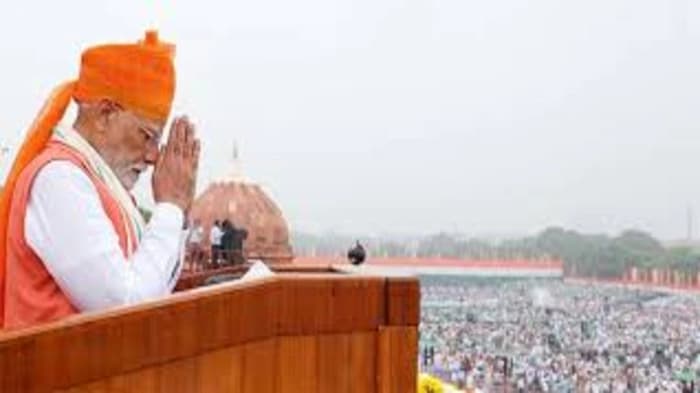
The Prime Minister of India has introduced a fresh perspective on the country’s Goods and Services Tax (GST) system designed to streamline tax structures that aid the poor, middle class, entrepreneurs, traders, and business proprietors

Suggested Changes in India's Goods and Services Tax (GST) System
Streamlined Tax Framework & Rate Optimization:

Two Primary Slabs: 5% (merit rate) and 18% (normal rate);
99% of products in the 12% category to shift to 5%;
90% of products in the 28% category will move to 18%;
Special 40% Rate: For 'sin products' such as tobacco, pan masala, and online gaming;
Reforms in Structure and Processes:
Adjustment of reversed duty frameworks (particularly in textiles and small to medium enterprises);
Settlement of classification disagreements to minimize lawsuits;
Automated returns to simplify compliance and minimize manual mistakes;
Automated reimbursement for exporters and companies with reversed duty frameworks;
Termination of Compensation Cess:
Compensation cess (formerly charged on luxury/sin goods) will be eliminated by November–December 2025.
The fiscal room generated will enable more effortless rate coordination.
Economic and Societal Effects
Anticipated simplification in the GST framework is expected to:
Minimize adherence requirements;
Promote usage;
Enhance tax revenue by increasing compliance.
The changes will focus on consumers, featuring lower taxes on essential items and services used by the poor, middle class, and MSMEs.
The suggested changes are viewed as a move towards fiscal sustainability, in accordance with India’s long-term growth objectives and inclusive development plans.
A temporary decline in revenue is anticipated to be balanced out by heightened economic vitality and better adherence.
Recommendations for Enhancements Moving Forward
Resolve classification disagreements to lessen legal disputes;
Fix inverted duty frameworks, particularly in textiles and MSMEs;
Create GST Appellate Tribunals to expedite dispute resolution;
Improve digital systems for easier submission and account matching;
Make certain that anti-profiteering regulations are followed so that tax reductions assist consumers


US pushes Venezuelan oil to India as Russian crude imports plunge under tariff tensions

IIIT Delhi partners with Marvell to offer AI networking systems course

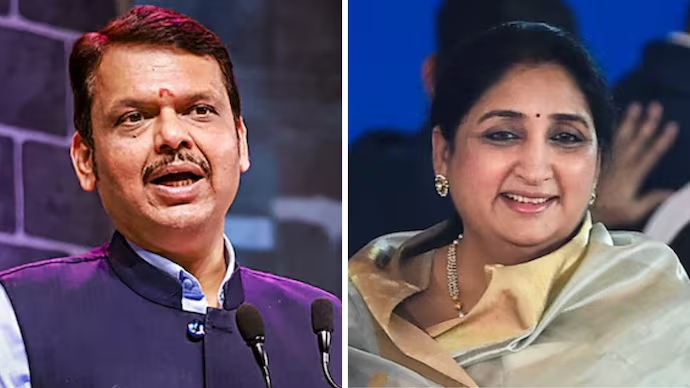
Fadnavis pledges unwavering support to NCP as Sunetra Pawar prepares to be sworn in Deputy CM

Dancing cop’s fall from grace: Indore police strip ‘moonwalking’ officer of rank amid misconduct probe

Delhi riots case: Court grants interim bail to Khalid Saifi for family wedding, Ramzan

US pushes Venezuelan oil to India as Russian crude imports plunge under tariff tensions

Fadnavis pledges unwavering support to NCP as Sunetra Pawar prepares to be sworn in Deputy CM

Vaishno Devi medical college scrapped, students dispersed across seven GMCs

UIDAI rolls out new Aadhaar app for privacy-first age verification

SC puts 2026 UGC equity rules on hold, flags ‘vague’ caste bias definition

US pushes Venezuelan oil to India as Russian crude imports plunge under tariff tensions

IIIT Delhi partners with Marvell to offer AI networking systems course

Fadnavis pledges unwavering support to NCP as Sunetra Pawar prepares to be sworn in Deputy CM

Dancing cop’s fall from grace: Indore police strip ‘moonwalking’ officer of rank amid misconduct probe

Delhi riots case: Court grants interim bail to Khalid Saifi for family wedding, Ramzan

US pushes Venezuelan oil to India as Russian crude imports plunge under tariff tensions

Fadnavis pledges unwavering support to NCP as Sunetra Pawar prepares to be sworn in Deputy CM

Vaishno Devi medical college scrapped, students dispersed across seven GMCs

UIDAI rolls out new Aadhaar app for privacy-first age verification

SC puts 2026 UGC equity rules on hold, flags ‘vague’ caste bias definition
Copyright© educationpost.in 2024 All Rights Reserved.
Designed and Developed by @Pyndertech