Synthetic biology entails the design and construction of new biological entities, as well as the redesign of existing, natural biological systems for useful purposes. It combines principles of biology and engineering, enabling innovations in fields such as medicine, agriculture, and environmental solutions. It allows for the creation of organisms with tailored functionalities, paving the way for advancements in various applications. The field is rapidly evolving, prompting ethical discussions and regulatory considerations surrounding its technologies.
Synthetic biology involves the creation and assembly of novel biological entities or the modification of current biological systems through engineering concepts.

Genetic technologies encompass the alteration, examination, and utilization of DNA, RNA, and proteins to comprehend and preserve biological diversity.
These instruments are progressively utilized to observe, safeguard, and potentially rehabilitate endangered and extinct species.
Possible Advantages of Synthetic Biology in Conservation
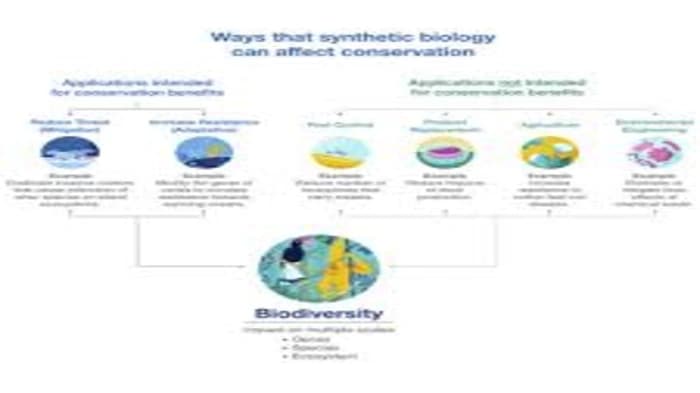
Saving Endangered Species (Genetic Rescue & De-extinction): Tools from synthetic biology, such as CRISPR-Cas9, can assist in fixing harmful genes or even reviving extinct species (for instance, the woolly mammoth or northern white rhino) via genetic revival methods.
Can help boost genetic diversity in small populations, improving their survival and adaptability.
Managing Invasive Species and Disease Carriers: Gene drives (a synthetic biology mechanism) can be employed to reduce or eliminate invasive species (e.g., mosquitoes spreading malaria) that endanger indigenous plants and animals.
The synthetic alteration of Aedes aegypti has demonstrated potential in managing vector-borne illnesses.
Ecosystem Rehabilitation and Stress Response: Modified microbes or plants can be deployed to cleanse contaminated ecosystems or revitalize damaged terrain.
Tailored Biomanufacturing for Conservation: Synthetic biology enables the creation of rare or endangered wildlife products (such as rhino horn alternatives or lab-cultivated ivory), alleviating poaching pressure.
Environmental DNA (eDNA): Identifies species within an ecosystem by examining genetic material released into the surroundings (water, soil).
Difficulties and Issues
Moral issues particularly related to cloning and genetic alteration.
Potential for Genetic Homogenization: Translocation or gene rescue initiatives might result in the erosion of local adaptations.
Bringing together individuals from genetically distinct populations could lower evolutionary fitness over time.
Regulatory and Legal Shortcomings: Absence of explicit regulations regarding the application of sophisticated genetic technologies (e.g., CRISPR) in wildlife.
Global disagreement on the legal and moral limits of gene editing and synthetic biology.
The Way Ahead
Although genetic technologies are promising tools for conservation, their use needs to be guided by ecological sensitivity, strong regulation, ethical considerations, and scientific rigour.
To ensure their responsible and efficient use, a well-rounded, multidisciplinary approach is essential.