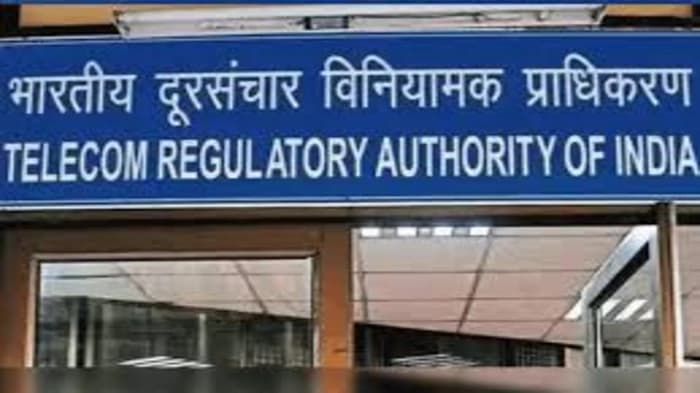
The Telecom Regulatory Authority of India (TRAI) has launched the nation’s initial Property Rating Framework for Digital Connectivity, designed to standardise the evaluation of buildings regarding high-speed, dependable internet access

What is it?
A uniform national system to assess and score properties according to their preparedness and effectiveness in digital connectivity.

How Does It Function?
Established in accordance with the 2024 Regulations on the Rating of Properties for Digital Connectivity.
The manual acts as a standardized reference for Digital Connectivity Rating Agencies.
Employs quantifiable standards for fiber preparedness, indoor cellular coverage, Wi-Fi availability, internet speeds, and general user satisfaction.
Ratings assist buyers, renters, and companies in making educated property choices.
Main Characteristics:
Indoor Network Emphasis: Tackles signal degradation caused by construction materials, particularly for high-frequency 4G/5G.
Inclusive Growth: Guarantees that structures facilitate digital employment, learning, healthcare, and services.
Developer Incentive: Promotes the incorporation of digital infrastructure during initial design phases.
Concerning the Telecom Regulatory Authority of India (TRAI):
What does it refer to?
Regulatory authority governing telecommunications, pricing, and service standards in India.
Founded: 20 February 1997, in accordance with the Telecom Regulatory Authority of India Act, 1997.
Main office: New Delhi, India.
Goal:
Promote the telecom industry’s development to position India as a frontrunner in the worldwide digital economy.
Sustain an equitable and clear policy framework to promote robust competition.
Functions:
Regulatory Authority: Establish rules, directives, and guidelines regarding tariffs, interconnection, and service standards.
Market Development: Support the shift from a monopoly to a competitive telecom market with multiple operators.
Dispute Mechanism: Recommendations resulted in the establishment of the Telecommunications Dispute Settlement and Appellate Tribunal (TDSAT) in 2000.
Consumer Protection: Ensure user interests are defended via service quality standards and equitable pricing


US pushes Venezuelan oil to India as Russian crude imports plunge under tariff tensions

IIIT Delhi partners with Marvell to offer AI networking systems course

Fadnavis pledges unwavering support to NCP as Sunetra Pawar prepares to be sworn in Deputy CM

Dancing cop’s fall from grace: Indore police strip ‘moonwalking’ officer of rank amid misconduct probe

Delhi riots case: Court grants interim bail to Khalid Saifi for family wedding, Ramzan

US pushes Venezuelan oil to India as Russian crude imports plunge under tariff tensions

Fadnavis pledges unwavering support to NCP as Sunetra Pawar prepares to be sworn in Deputy CM

Vaishno Devi medical college scrapped, students dispersed across seven GMCs

UIDAI rolls out new Aadhaar app for privacy-first age verification

SC puts 2026 UGC equity rules on hold, flags ‘vague’ caste bias definition

US pushes Venezuelan oil to India as Russian crude imports plunge under tariff tensions

IIIT Delhi partners with Marvell to offer AI networking systems course

Fadnavis pledges unwavering support to NCP as Sunetra Pawar prepares to be sworn in Deputy CM

Dancing cop’s fall from grace: Indore police strip ‘moonwalking’ officer of rank amid misconduct probe

Delhi riots case: Court grants interim bail to Khalid Saifi for family wedding, Ramzan

US pushes Venezuelan oil to India as Russian crude imports plunge under tariff tensions

Fadnavis pledges unwavering support to NCP as Sunetra Pawar prepares to be sworn in Deputy CM

Vaishno Devi medical college scrapped, students dispersed across seven GMCs

UIDAI rolls out new Aadhaar app for privacy-first age verification

SC puts 2026 UGC equity rules on hold, flags ‘vague’ caste bias definition
Copyright© educationpost.in 2024 All Rights Reserved.
Designed and Developed by @Pyndertech