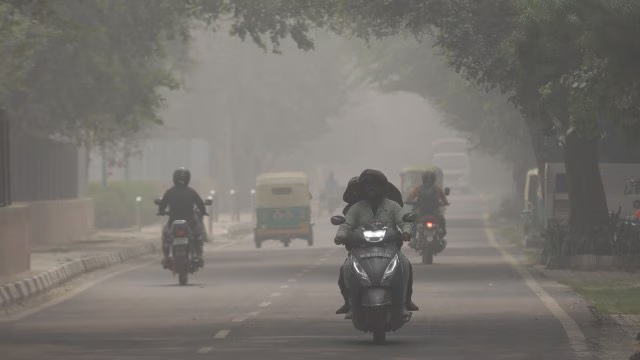
Delhi woke up to a suffocating haze on November 2 as smoke and fog thickened over the city, pushing air quality to alarming levels. By 9 a.m., the national capital’s Air Quality Index (AQI) had surged to 396, hovering just below the ‘severe’ threshold, according to data from the Central Pollution Control Board (CPCB).
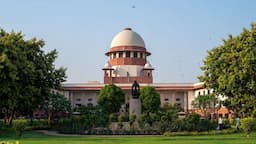
The toxic air, a mix of vehicular emissions, industrial pollutants, and stubble smoke, reduced visibility across major roads and monuments. The ambient temperature stood at 20.6°C, trapping pollutants closer to the surface and worsening the smog blanket.

On November 1, Delhi’s AQI had already deteriorated sharply to 303 from 218 a day earlier. By November 2 morning, the situation turned grimmer — the Sameer app recorded an AQI of 377 at 7 a.m., marking a rapid escalation in pollution levels.
The worst-hit areas included Wazirpur (432) and RK Puram (425), both in the “severe” category, followed closely by Bawana (410), Rohini (409), and Dwarka (401).
Neighbouring cities fared little better — Gurugram (365), Noida (362), Greater Noida (347), and Ghaziabad (354) all recorded air quality in the “very poor” zone. The most toxic air in the region was measured in Dharuhera, Rewari (Haryana), where the AQI hit 440, plunging deep into the “severe” category.
Out of Delhi’s 39 air quality monitoring stations, 18 recorded readings above 400, signalling a citywide environmental emergency. These included key locations such as Siri Fort, Punjabi Bagh, Nehru Nagar, Anand Vihar, Chandni Chowk, and Jahangirpuri.
The CPCB’s AQI scale defines air quality levels as: Good (0–50), Satisfactory (51–100), Moderately Polluted (101–200), Poor (201–300), Very Poor (301–400), and Severe (401–500). Levels above 400 are considered hazardous, posing serious health risks to even healthy individuals.
Health experts have urged residents — especially children, the elderly, and those with respiratory conditions — to limit outdoor activity and use N95 masks when stepping outside. The Delhi government is expected to convene a review meeting later today to consider emergency measures as pollution levels continue to climb.