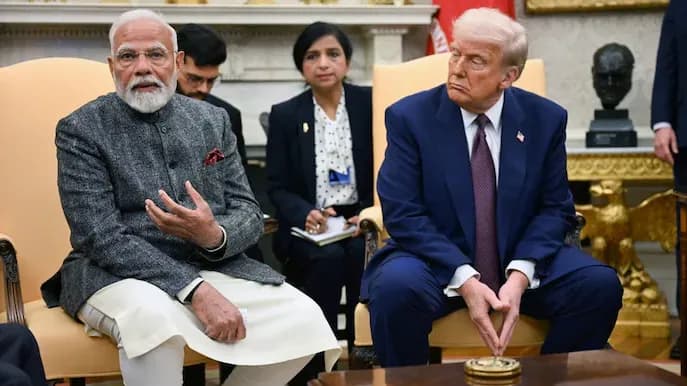
India’s recent tariff cuts are part of a broader trade strategy aimed at strengthening ties with key developed nations and not a response to US President Donald Trump’s looming April 2 deadline for reciprocal tariffs, highly placed sources have said.
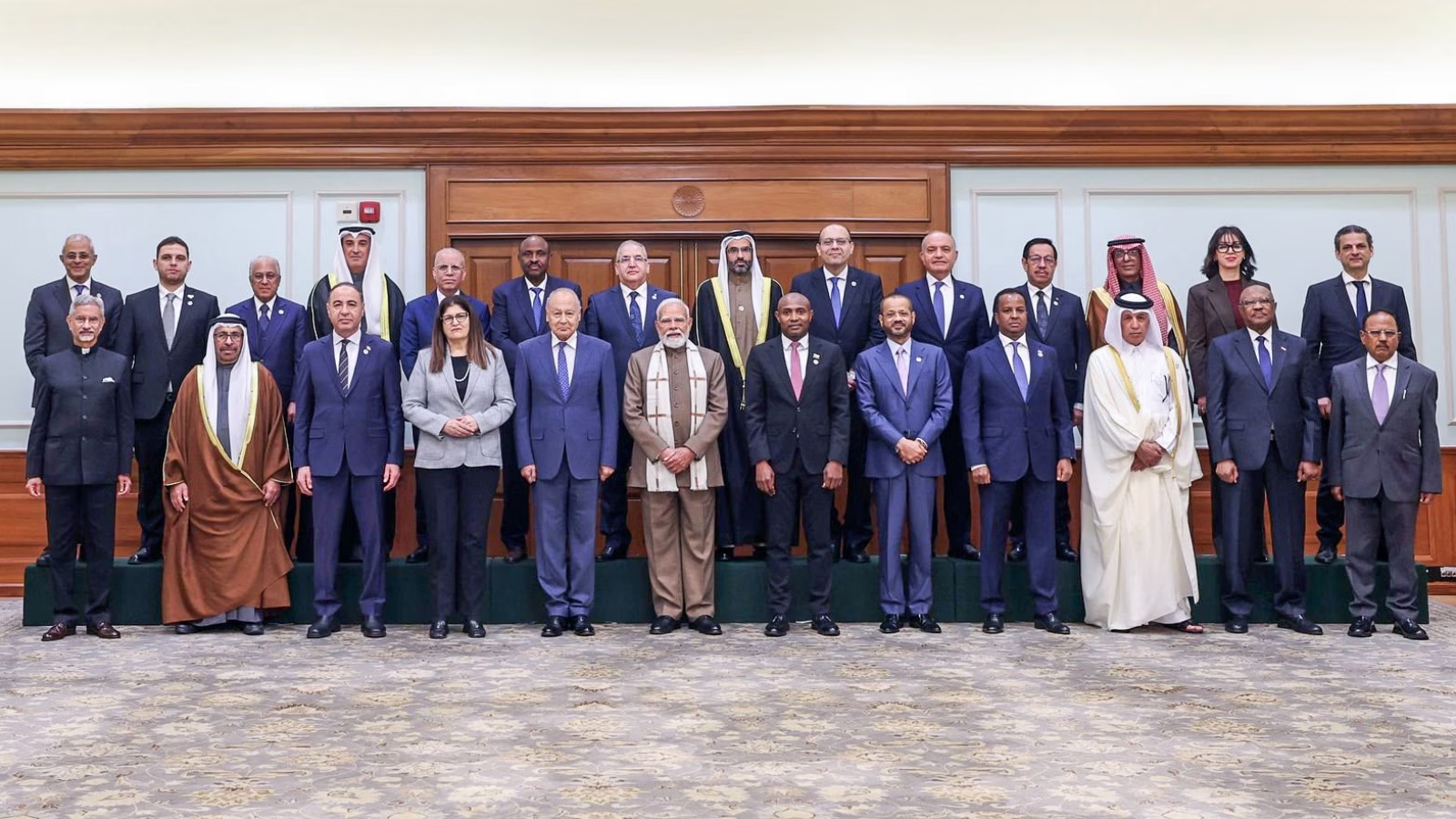
New Delhi has been actively reducing its average applied tariffs under bilateral trade agreements with countries like Australia, the UAE, Switzerland, and Norway. Similar negotiations are underway with the European Union and the UK. The ongoing discussions with the US should be seen in this context, the sources emphasized, rather than as a reaction to Trump’s tariff threats.

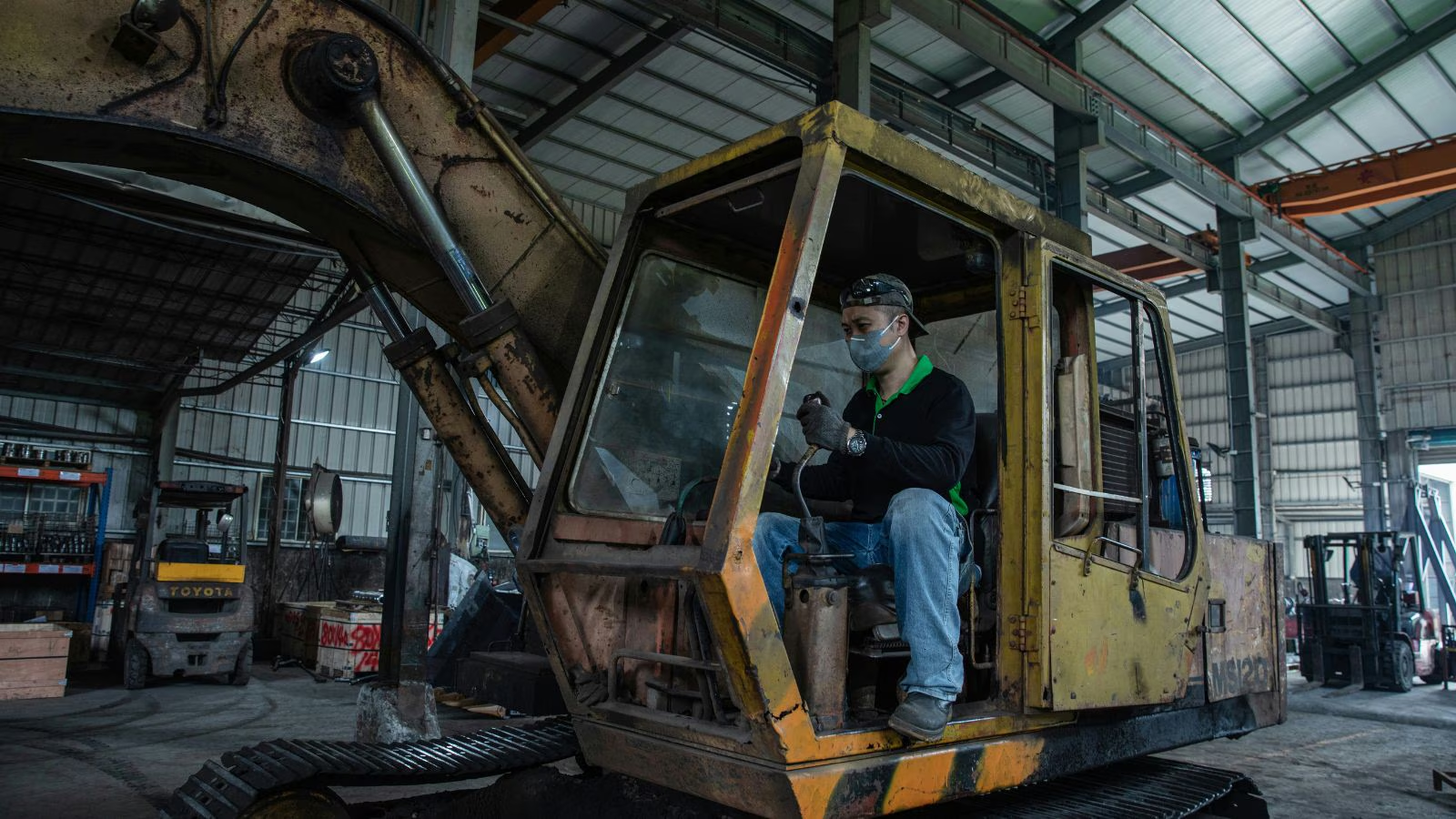
With the deadline fast approaching, policymakers and businesses in India are exploring ways to mitigate potential trade disruptions. Reports indicate that the government is considering tariff reductions on select US imports, while companies across various sectors are working closely with American partners to ensure business continuity.
The US, India’s largest trading partner, has been pushing for tariff eliminations on nearly all goods except agricultural products. If accepted, this could leave India exposed without receiving comparable concessions in return. Despite these challenges, both nations have agreed to negotiate a multi-sector Bilateral Trade Agreement (BTA) this year, with a long-term goal of expanding trade to $500 billion by 2030.
During a recent visit to Washington, an Indian delegation led by Commerce Minister Piyush Goyal held talks with US Commerce Secretary Howard Lutnick and Trade Representative Jamieson Greer. While previous trade negotiations during Trump’s first term failed to yield results, both sides now appear focused on deeper market access and supply chain integration.
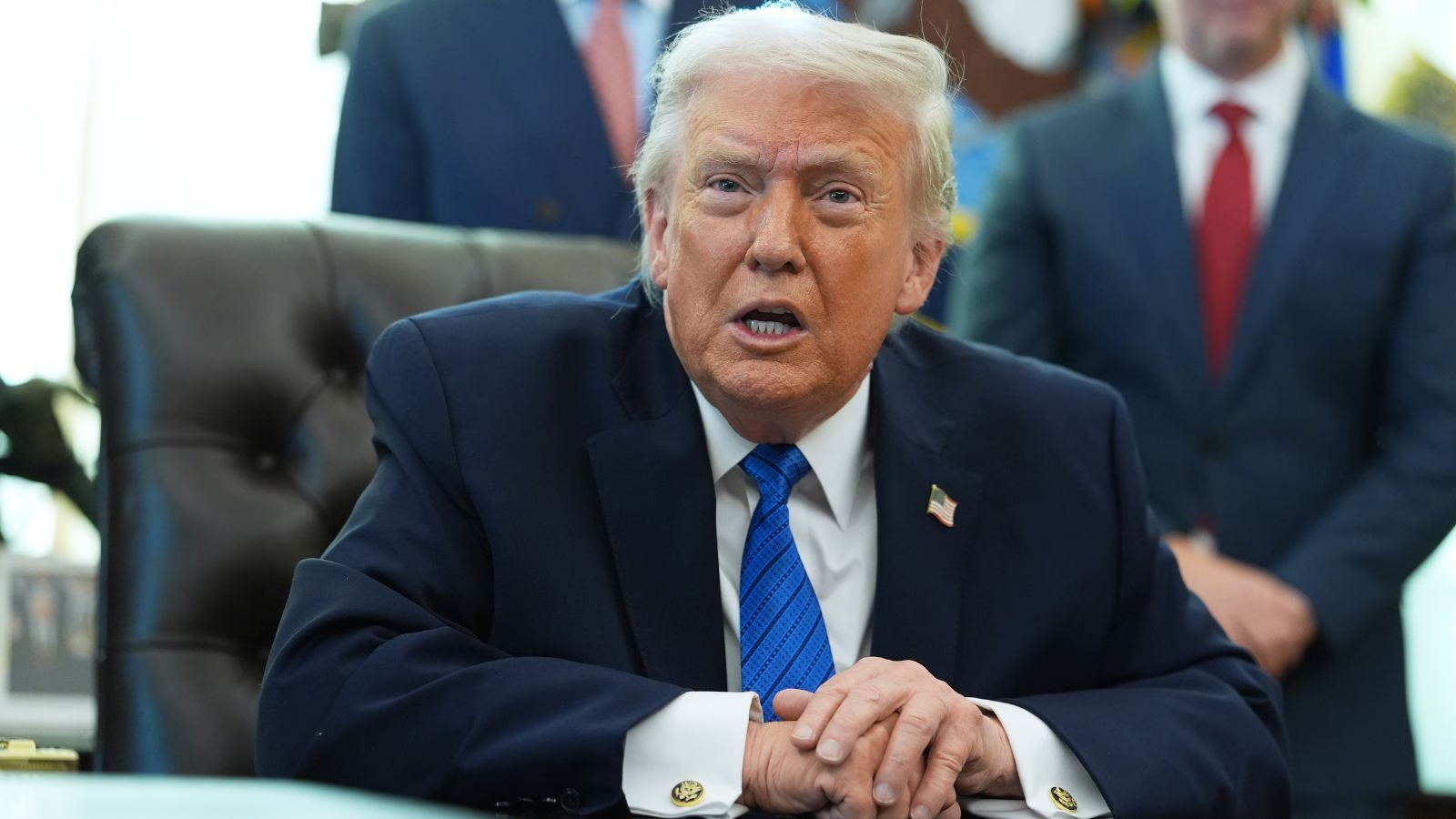
Meanwhile, Trump has remained vocal about enforcing reciprocal tariffs, calling out India, China, and South Korea for what he describes as unfair trade practices. He has instructed his administration to complete a review by April 1, setting the stage for potential trade tensions.
As the deadline nears, the question remains: will India and the US find common ground, or is a tariff showdown inevitable?