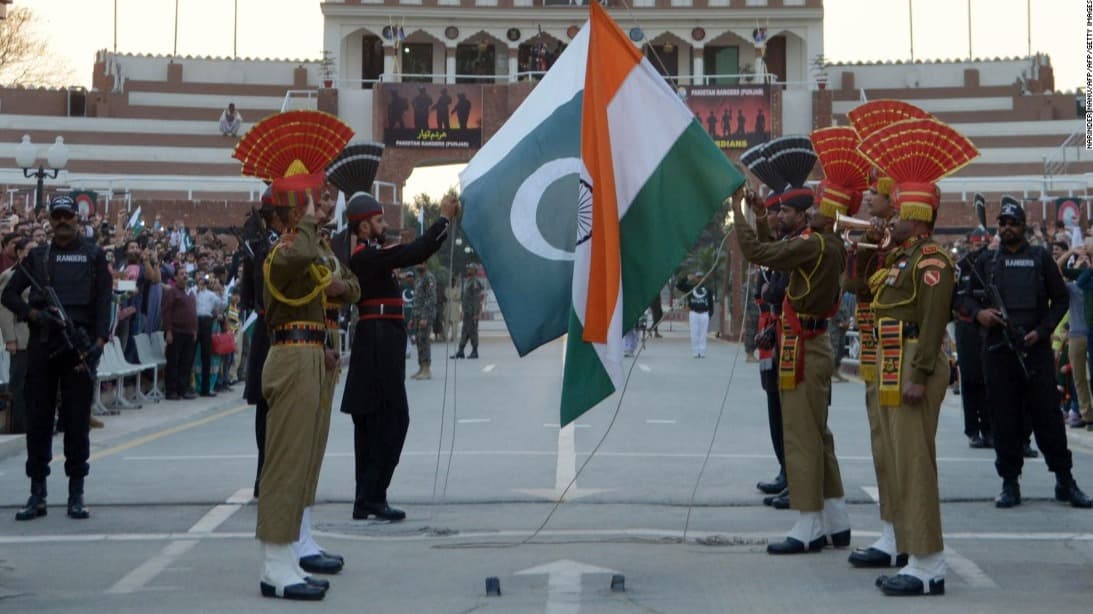
The United Nations Security Council has sharply reprimanded Pakistan over the deadly Pahalgam terror attack and its broader posture amid rising tensions with India, according to sources.
In closed-door consultations requested by Pakistan, Council members condemned the April 22 massacre of 25 Indian tourists and a local pony ride operator in Kashmir, allegedly carried out by the Pakistan-based terror group Lashkar-e-Taiba (LeT).

Despite Islamabad's efforts to internationalize the Kashmir issue and shift blame onto India, Security Council members stood firm, dismissing Pakistan’s claims of a “false flag” operation and instead demanding accountability for the attack, which they noted was religiously targeted.
Diplomatic sources said the session — called at Pakistan’s behest — backfired, with members instead expressing grave concerns over Pakistan’s recent missile tests and increasingly provocative nuclear rhetoric, which several described as “escalatory and destabilizing.”
“The UNSC made it clear that this is no time for reckless nuclear signaling or denial of culpability,” one diplomat said off-record.
The Pahalgam attack, one of the worst in the region in decades, sent shockwaves across the international community. India responded by suspending the decades-old Indus Waters Treaty and canceling visas for Pakistani nationals residing in the country—measures that Islamabad called violations of international law.
Pakistan’s UN envoy, Asim Iftikhar, maintained his country’s innocence, rejecting any link to the LeT or the Pahalgam massacre. He also reiterated Islamabad’s protest over India’s treaty suspension. However, the Council remained unmoved.
“No official statement has yet been issued by the UNSC or India,” sources confirmed, but several Council members, including permanent ones like the US, UK, and France, reportedly emphasized the need for justice and accountability, while urging de-escalation and direct dialogue between the two nuclear-armed neighbors.
“The situation is volatile,” said Khaled Mohamed Khiari, a senior Tunisian diplomat. “There is an urgent need for dialogue and peaceful resolution.”
Greek Ambassador Evangelos Sekeris, presiding over the Council for May, described the meeting as “productive and helpful.” Russia, while calling for calm, echoed the hope for “de-escalation.”
UN Secretary-General António Guterres, ahead of the session, had issued a heartfelt plea for restraint, warning that “a military solution is not a solution” and urging both nations to “step back from the brink.”
“Targeting civilians is unacceptable,” Guterres added. “Those responsible must be brought to justice through credible and lawful means.”
As investigations continue and diplomatic lines remain strained, the world watches closely—aware that South Asia’s fragile peace may hinge on what happens next.