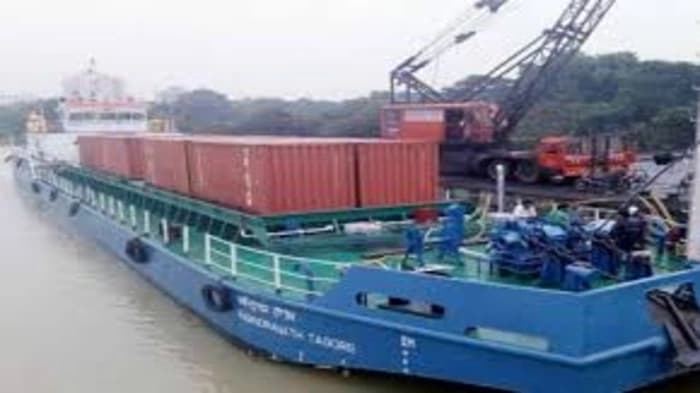
Key Metrics on Indian Inland Waterways: Cargo traffic has surged from 18.1 million metric tons (MMT) in fiscal year 2014 to 145.5 MMT projected for fiscal year 2025. The number of National Waterways has expanded from 5 in 2014 to 111 by 2024, as per the National Waterways Act of 2016. The operational length of these waterways has increased from 2,716 kilometers in 2014-15 to 4,894 kilometers in 2023-24.
Passenger movement reached 16.1 million in fiscal year 2023-24, with key commodities such as coal, iron ore, sand, and fly ash comprising over 68% of the cargo. Achievements in the sector include digital innovations like LADIS, RIS, PANI, Car-D, and MIRS, which enhance navigational safety and efficiency. Infrastructure development has seen the introduction of 3 MMTs at Varanasi, Sahibganj, and Haldia, along with 1 IMT at Kalughat, community jetties, and green vessels. Policy advancements include the launch of the Jalvahak Scheme and the extension of Tonnage Tax to inland vessels, positioning Inland Water Transport (IWT) as a cost-effective and sustainable alternative to rail and road transport.

However, challenges persist, such as the sparse presence of industrial hubs near waterways, which limits freight volume and affects the viability of IWT corridors. Additionally, multimodal bottlenecks due to inadequate connectivity with rail and road networks hinder cargo movement and inflate logistics costs. Seasonal fluctuations in water depth during dry periods disrupt year-round navigability and service consistency.
Environmental concerns arise from large-scale dredging, which can negatively impact aquatic ecosystems, highlighting the need for sustainable development to protect biodiversity. Despite its potential, waterways currently account for only 2% of total cargo transport, leading to underutilization and higher freight costs than necessary.
Path Ahead:
- Encourage PPP projects to build terminals, jetties, and cargo-handling facilities in order to increase efficiency and boost private sector participation.
- Building Capacity: To increase operational readiness and safety, train port operators, logistics personnel, and inland vessel crews.
- Environmental Norms: To reduce the environmental impact, use eco-friendly port designs and green dredging technologies.
- Campaigns for Awareness: Emphasize IWT's economic and environmental advantages to draw in businesses and move freight away from the road and rail.
- Extend Multimodal Hubs: To improve end-to-end transportation, create integrated logistics parks that connect rivers with roads and railroads.
In summary:
Inland water transportation in India is undergoing a radical change from policy inertia to proactive development. The future depends on sustaining this momentum through industrial synergy, digital transparency, and green technology. India's logistics environment can be completely redesigned for the twenty-first century by a well-functioning IWT sector.