Scale & Trend of E-Waste Generation in India
India’s electronic waste, or e-waste, generation has ballooned to an estimated 2.2 million tonnes in 2025, positioning the country as the third-largest global producer, after China and the United States. This surge reflects the rapid penetration of consumer electronics, smartphones, computers, and other digital devices driven by urbanization, growing middle-class demand, and digitalization efforts under programs like Digital India.

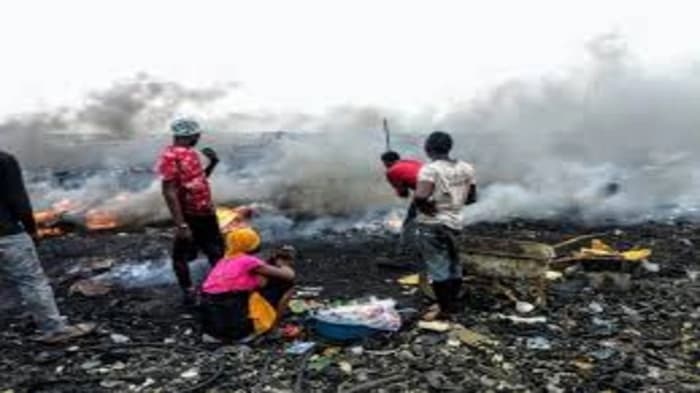
Despite an expanding formal recycling infrastructure, over 50% of e-waste remains processed in the informal sector, characterized by unregulated, labor-intensive methods such as open burning, acid baths, and crude dismantling. This sector thrives due to low operational costs, lack of worker protections, and weak enforcement of regulations under the E-Waste Management Rules (2016, amended 2018, 2022).
Health & Environmental Impacts of E-Waste
Human Health Risks
Respiratory and Pulmonary Disorders: Informal e-waste workers are exposed to fine particulate matter (PM2.5) and toxic gases like dioxins and furans released during open burning of plastics and cables. Studies have documented high incidences of chronic bronchitis, asthma, and other respiratory illnesses among these workers and nearby communities.
Neurological Damage: Toxic heavy metals such as lead, mercury, and cadmium found in e-waste have neurotoxic effects. Prolonged exposure impairs cognitive development in children, causes memory loss, headaches, and peripheral neuropathies in adults.
Dermatological and Systemic Effects: Direct contact with hazardous chemicals can cause skin irritations, dermatitis, and eye inflammation. Persistent organic pollutants (POPs) in e-waste also act as endocrine disruptors and may cause DNA damage, increasing cancer risks.
Environmental Contamination
Soil and Water Pollution: Toxic residues seep into soil and groundwater near e-waste dismantling hubs, contaminating agricultural lands and drinking water sources, thus entering the food chain. Heavy metals bioaccumulate in flora and fauna, disrupting biodiversity and ecosystem services.
Air Quality Degradation: Open burning and incineration release carcinogenic pollutants, contributing to ambient air pollution and exacerbating climate change through greenhouse gas emissions.
Policy Interventions and the Way Forward
Strengthen Extended Producer Responsibility (EPR) Mechanisms
Enforce stricter collection targets and recycling quotas for producers and importers, incentivizing them to establish take-back and recycling programs.
Penalize non-compliance and improve transparency through digital monitoring systems.
Formalization and Regulation of the Recycling Sector
Mandate registration and periodic environmental and social audits of recyclers, and shut down unsafe informal units.
Introduce schemes to formalize informal workers by providing training, personal protective equipment (PPE), health checkups, and social security benefits, improving their occupational safety and livelihoods.
Public Awareness and Participation
Launch mass campaigns to sensitize citizens on responsible e-waste disposal, promote buy-back schemes, and establish accessible drop-off centers in urban and rural areas.
Encourage consumers to extend device lifespan and support circular economy principles.
Research, Development & Technological Innovation
Fund development of low-cost, environmentally safe recycling technologies suitable for small and decentralized units.
Promote modular recycling units that minimize hazardous emissions and maximize material recovery efficiency.
Conclusion
India’s burgeoning e-waste crisis poses a multi-dimensional challenge encompassing public health, environmental sustainability, and social justice. Effective mitigation demands a multi-stakeholder approach, combining regulatory rigor, technological innovation, and grassroots engagement. Scaling up formal recycling, integrating the informal sector, and fostering consumer responsibility are essential to transform India’s e-waste management from a ticking time bomb into a circular economy opportunity.





%20Preeti%20Lobana%2C%20Sh.%20Jayant%20Chaudhary%2C%20Chris%20Phillips.jpeg&w=256&q=75)