The festival of Diwali, celebrated across India, is synonymous with lights, sweets, and fireworks. While fireworks hold cultural and traditional significance, they have long been associated with severe environmental and public health consequences. High emissions of particulate matter, nitrogen oxides, and heavy metals during firecracker bursting contribute to air pollution, aggravating respiratory illnesses and deteriorating urban air quality. In response, the government and environmental authorities have promoted the use of “green crackers” as a cleaner alternative, aiming to strike a balance between cultural celebration and ecological responsibility.
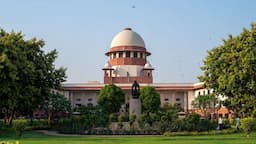
Green crackers are designed to reduce emissions of pollutants such as sulfur dioxide, particulate matter (PM2.5 and PM10), and heavy metals by using alternative chemical formulations. These crackers claim to produce less smoke and noise, thereby mitigating both air and noise pollution. Their introduction aligns with environmental regulations and the Supreme Court’s directives to limit pollution levels during festivals. By promoting green crackers, authorities aim to reduce the public health impact of festivities, especially for vulnerable populations such as children, the elderly, and those with respiratory conditions.

However, the effectiveness of green crackers in substantially reducing pollution remains a matter of debate. Studies have suggested that while green crackers emit lower levels of certain pollutants, their impact is relatively modest in highly polluted urban environments. Cities like Delhi, which already experience critically high air pollution levels during winter, continue to face spikes in particulate matter even with partial adoption of green alternatives. This indicates that fireworks, whether green or traditional, are only one of several contributors to seasonal air quality deterioration, with factors like crop burning, vehicular emissions, and industrial pollution playing major roles.
Enforcement and public compliance also present significant challenges. Despite regulatory measures, illegal manufacturing, sale, and bursting of non-compliant crackers persist in many regions. Lack of awareness among consumers, coupled with insufficient monitoring by local authorities, limits the adoption of green crackers. Moreover, green crackers are often more expensive than conventional ones, creating economic barriers for widespread use during festivals.
Promoting alternatives such as community light shows, laser displays, or eco-friendly celebrations can complement the use of green crackers. Public awareness campaigns emphasizing the environmental and health benefits of reduced firecracker use have shown promise in some cities, encouraging voluntary restraint. Policy interventions, including subsidies for green crackers, stricter enforcement of compliance, and incentivizing cleaner celebrations, can further enhance the initiative’s impact.
In conclusion, green crackers represent a step toward reconciling cultural traditions with environmental sustainability. While they offer some reduction in pollutants, their overall effectiveness is limited without broader adoption, enforcement, and complementary measures to curb urban pollution. Balancing the joy of festivals with ecological responsibility requires a multi-faceted approach—combining technological innovation, regulatory oversight, public awareness, and cultural adaptation—to ensure that celebrations remain both vibrant and environmentally conscious.






%20Preeti%20Lobana%2C%20Sh.%20Jayant%20Chaudhary%2C%20Chris%20Phillips.jpeg&w=256&q=75)