The National Green Tribunal (NGT) imposed a ₹500 crore environmental compensation penalty on several industries operating in Uttar Pradesh for persistent violations of pollution control norms that have severely degraded the Hindon River, a major tributary of the Yamuna. The tribunal also directed the constitution of a monitoring committee to oversee compliance with environmental safeguards and restoration measures.
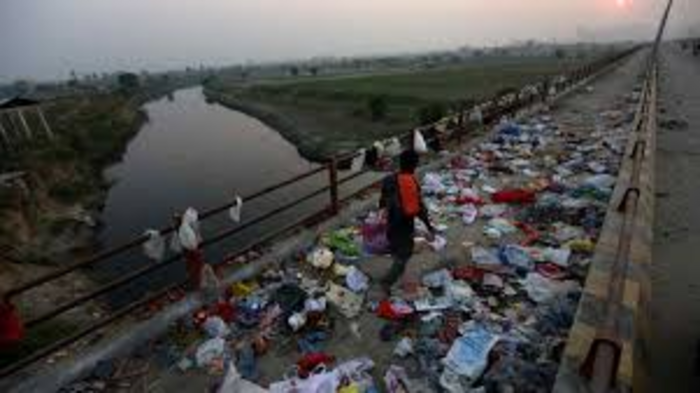
The Hindon River has long suffered from industrial effluents, untreated sewage, and solid waste dumping, particularly from sugar mills, paper units, distilleries and small-scale manufacturing clusters. Scientific assessments submitted to the NGT highlighted high levels of biochemical oxygen demand (BOD), chemical oxygen demand (COD) and toxic contaminants, rendering the river ecologically stressed and unfit for human use.

Why it matters:
The NGT’s order reinforces the “polluter pays” principle, a cornerstone of Indian environmental jurisprudence. By imposing a substantial monetary penalty, the tribunal aims to deter future violations and ensure that the cost of environmental damage is borne by those responsible rather than the public exchequer.
The decision also underscores the importance of regulatory enforcement in addressing river pollution, complementing broader initiatives such as the Namami Gange Programme. Effective monitoring and compliance are crucial, as weak enforcement has often undermined pollution control laws despite the existence of statutory frameworks under the Water (Prevention and Control of Pollution) Act, 1974 and the Environment (Protection) Act, 1986.
From a governance perspective, the case highlights challenges in industrial regulation, inter-agency coordination and local body capacity. The monitoring committee’s role is expected to include tracking effluent treatment plant (ETP) performance, ensuring sewage treatment compliance, and recommending remedial actions.
Conclusion:
The NGT’s ₹500 crore penalty in the Hindon River case signals a tougher stance on industrial pollution and strengthens environmental accountability. Sustained monitoring, technological upgrades in pollution control, and institutional coordination will be critical to translating judicial orders into long-term ecological restoration.





%20Preeti%20Lobana%2C%20Sh.%20Jayant%20Chaudhary%2C%20Chris%20Phillips.jpeg&w=256&q=75)