Problems Caused by Invasive Plants
Environmental harm – Clog water bodies, hinder irrigation channels, diminish fish harvest, and affect biodiversity (e.g., Kaziranga, Dibru-Saikhowa).

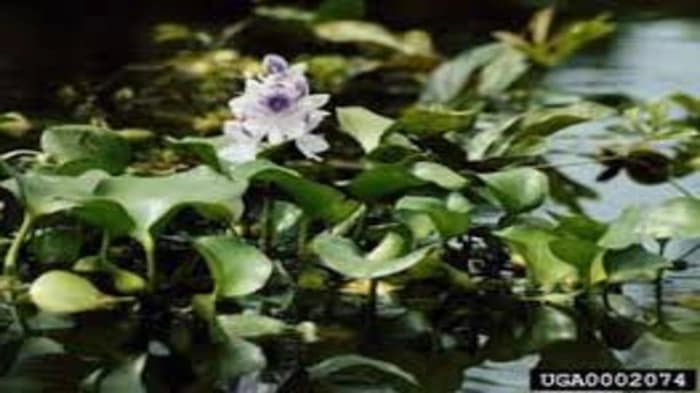
Health risks – Hyacinth mats promote mosquito reproduction, increasing malaria and dengue threats.
Economic turmoil – Fishermen and farmers encounter increased expenses from blocked waterways and diminished crop yields.
Governance issue – Habitats are "commons" with low accountability, frequently overlooked by local authorities.
Symbolic concern – The proliferation of weeds signifies broader issues of contamination, invasion, and climate-related stress.
Chances: Transforming Dangers into Resources
Eco-friendly products –
Symbiosis University, Pune: Transforming water hyacinths into menstrual health products (Elsevier Climate Challenge award, 2025).
Assam start-up: Sustainable handcrafted paper made from hyacinths.
Policy initiatives – Swachh Bharat has facilitated small-scale innovations from weed to product.
Scientific advancements – IISc Bengaluru research on decomposing DELLA protein may boost crop yield, highlighting synergies between botany and artificial intelligence.
Food chain influence – Research in Kaziranga revealed that wild boars eat vitamin-D-rich plants, indicating ecological significance.
Job creation – Labour-intensive weed removal can be associated with MGNREGA, tree planting initiatives, and local asset development led by Panchayats.
Governance and Policy Aspects
Combining environmental efforts with poverty reduction – Reflecting Anil Agarwal’s perspective, tree planting and controlling weeds can contribute to strategies aimed at alleviating poverty.
Enhancing MGNREGA – Transition from minimal-impact initiatives to environmental clean-ups, restoration of wetlands, and irrigation systems.
Reforming Panchayati Raj – Enabling local entities to govern commons, wetlands, and village environments.
Public–Private Partnership – Motivate start-ups, research institutes, and farmer collectives to monetize weed-to-wealth concepts.
Demand-supply cycle – Establish markets for eco-friendly products to guarantee growth and prevent pilot project setbacks.