The Ganga, one of India’s most revered rivers, holds immense cultural, religious, and ecological significance. Flowing through densely populated regions and serving as a lifeline for millions, it supports agriculture, fisheries, and livelihoods. However, despite its sacred status, the river faces severe pollution challenges that threaten biodiversity, public health, and its cultural heritage. Industrial effluents, untreated sewage, and ritualistic practices are among the primary contributors to this degradation, making the Ganga one of the most polluted rivers in the country.
Industrial discharge from factories located along the Ganga, including tanneries, textile units, and chemical plants, releases hazardous substances such as heavy metals, dyes, and toxic chemicals into the water. Many of these pollutants are non-biodegradable and accumulate in the river ecosystem, affecting aquatic life and reducing water quality. Untreated or partially treated sewage from urban areas compounds the problem, introducing pathogens and nutrients that lead to eutrophication, depletion of dissolved oxygen, and large-scale fish mortality. Cities like Kanpur, Varanasi, and Patna, with high population density and limited sewage treatment infrastructure, contribute disproportionately to the river’s pollution load.

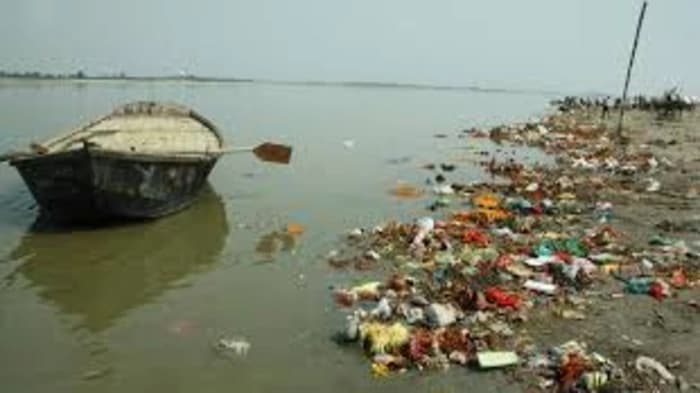
Religious practices, although culturally significant, also impact the river’s health. Ritual bathing, immersion of idols made of non-biodegradable materials, and disposal of offerings such as flowers and plastics introduce organic and inorganic pollutants. While these practices are integral to the spiritual life of millions, they exacerbate water contamination and highlight the tension between cultural traditions and environmental sustainability.
The consequences of Ganga’s pollution are far-reaching. From an ecological perspective, the river’s biodiversity is under threat. Several fish species, amphibians, and riverine flora are declining due to deteriorating water quality, disrupting the aquatic food chain. Polluted water also poses significant public health risks. Communities that rely on the river for drinking, cooking, and bathing are exposed to waterborne diseases such as cholera, dysentery, and hepatitis. In addition, the contamination of groundwater sources connected to the river further endangers human and livestock health.
The cultural and spiritual dimensions of the Ganga are equally affected. The river is central to religious ceremonies, festivals, and pilgrimages. Pollution diminishes its aesthetic and sacred value, undermining both the spiritual experience and the tourism economy that relies on clean riverfronts.
Efforts to clean the Ganga, such as the National Mission for Clean Ganga (Namami Gange), aim to address these challenges through sewage treatment infrastructure, industrial effluent monitoring, and public awareness campaigns. However, successful mitigation requires stronger enforcement of environmental laws, adoption of sustainable religious practices, and active community participation in conservation efforts. Integrating technological solutions with social mobilization can help restore the river’s ecological balance while respecting its cultural significance.
In conclusion, the pollution of the Ganga represents a complex interplay of industrial, urban, and cultural pressures. Addressing this crisis is not merely an environmental necessity but also a social and spiritual imperative. Only through a holistic approach that combines policy enforcement, technological innovation, and community engagement can the Ganga be revived as a clean, sustainable, and culturally vibrant river for future generations.





%20Preeti%20Lobana%2C%20Sh.%20Jayant%20Chaudhary%2C%20Chris%20Phillips.jpeg&w=256&q=75)