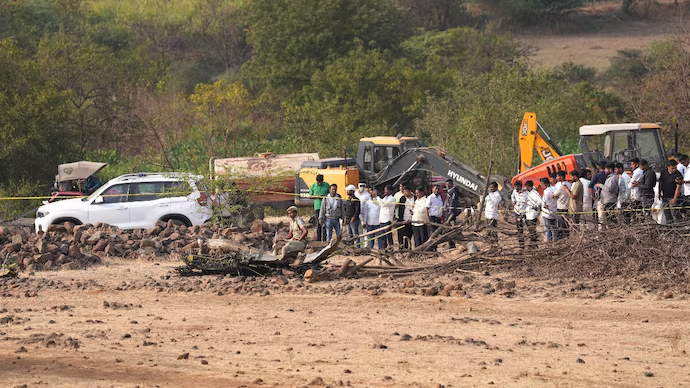
Outlook and Drivers of Rainfall
The India Meteorological Department (IMD) has projected that rainfall in October 2025 is likely to be above normal, exceeding 115% of the long‑period average (LPA).

This forecast follows a robust monsoon season that ended with an 8% surplus over the four months (June–September) relative to the LPA.
The IMD attributes this elevated post‑monsoon rainfall trend to the development of low‑pressure systems over the Bay of Bengal and Arabian Sea, coupled with intra‑seasonal atmospheric variability and favorable large‑scale circulation patterns.
However, while the general outlook is wetter, the IMD cautions that some parts of northwest India may see normal to below-normal rainfall, and isolated deficits may occur in extreme southern or northeastern pockets.
Sectoral Impacts and Regional Concerns
Agriculture & Rabi Cropping
Above‑normal rainfall during October can be a boon for rabi crop establishment, particularly in rainfed zones, by improving soil moisture and reservoir carryover. However, excess precipitation might delay harvesting of late kharif crops, promote fungal diseases, and damage standing crops in low‑lying areas.
Flooding, Landslides & Infrastructure Stress
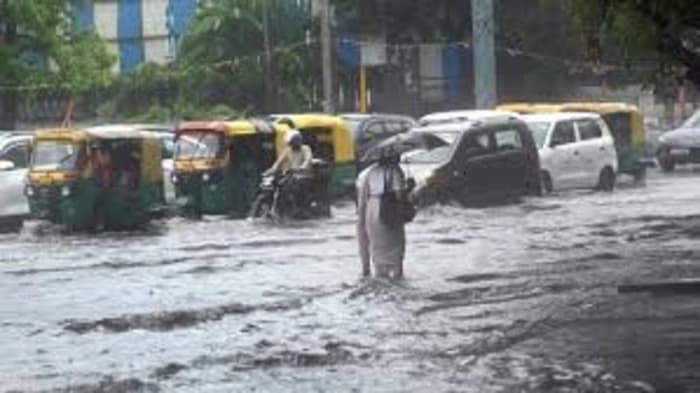
Regions prone to heavy rainfall—such as the northeastern, eastern, and Himalayan foothill zones—may face floods, urban inundation, river overflows, and landslides. Urban drainage systems, embankments, roads, and bridges could be stressed. Local governments must remain vigilant and ready for flash flood contingencies.
Water Resource & Hydropower Benefits
Reservoirs, dams, and water bodies are likely to benefit from the surplus inflows, thereby improving water security, groundwater recharge, and supporting hydropower generation during the lean months.
Health & Sanitation
Persistent moisture and standing water can become breeding grounds for vector-borne diseases (e.g., dengue, malaria), and lead to waterborne illnesses — especially in vulnerable and poorly served regions.
Risks and Challenges
Spatial heterogeneity: While some areas may receive excess rain, others might remain dry pockets, creating uneven outcomes.
Timing issues: If heavy rain coincides with harvest windows or critical crop stages, damage is amplified.
Disaster management readiness: Many states may lack sufficient early warning systems, drainage capacity, or infrastructure resilience.
Coordination gaps: Effective interagency coordination between meteorological departments, state disaster management agencies, irrigation departments, and local bodies is essential.
Policy Responses & Preparedness Measures
Strengthen early warning systems: Enhance forecasting accuracy, distribution of alerts, and lead time for local authorities and communities.
Flood moderation infrastructure: Improve drainage, desilting, embankment reinforcements, rainwater channels, and stormwater networks.
Agricultural advisories & insurance: Issue region‑specific agronomic guidance, fast‑track crop insurance claims, and support affected farmers.
Contingency funds & relief planning: States must allocate sufficient disaster relief funds and have logistic plans for rescue, shelter, medical services.
Urban resilience & drainage upgrading: Prioritize retrofitting drainage networks in cities, especially older towns with antiquated systems.
Inter‑state & river basin cooperation: Since rivers cross state boundaries, coordinated management of releases and flood control is key.
Way Forward
While the forecast of above-normal rainfall in October 2025 presents both opportunities and risks, the outcome will depend heavily on preparedness, timely response, adaptive capacity and infrastructure resilience. A strategic, anticipatory approach — combining meteorology, agriculture, hydrology, urban design and disaster management — is essential to maximize benefits and mitigate losses in a climate‑vulnerable India.





%20Preeti%20Lobana%2C%20Sh.%20Jayant%20Chaudhary%2C%20Chris%20Phillips.jpeg&w=256&q=75)