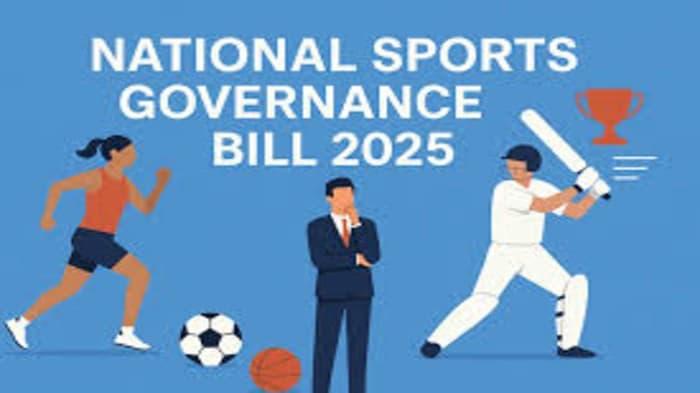
As India charts ambitious sporting goals under the NSP 2025, attention must turn to the governance and accountability deficits that have long plagued Indian sports federations — issues of politicization, lack of transparency, and inefficiency.
Core Challenges

Political interference and patronage: Many federations are influenced by state politics and central agencies, undermining meritocratic governance.
Lack of accountability: Weak auditing, opaque decision-making and lack of stakeholder oversight erode trust.
Talent neglect and selection biases: Regionalism, favoritism, and non-transparent selection processes deter athletes.
Financial mismanagement: Poor budgeting, underutilized infrastructure, and leaks in fund flows hamper performance.
Significance & Linkage to Policy
With the NSP envisioning global excellence, weak federations can become bottlenecks rather than enablers.
Transparent federations encourage athlete confidence, sponsor interest, and public legitimacy.
Best Practices & International Models
Autonomy & oversight balance: Federations must operate with autonomy but under a robust external oversight (audit, ethics committees, independent panels).
Athlete representation: Athletes should have seats in governance bodies to voice ground realities.
Term limits & election norms: Strict term limits, transparent election processes, independent observers.
Financial transparency: Annual audits published, online disclosure of budgets, performance metrics.
Performance-based funding: Allocation of government grants tied to performance, development, and governance indicators.
Implementation Roadmap
Legislative or regulatory framework: A National Sports Governance Act or guidelines may enforce minimum standards.
Monitoring body: An independent sports governance watchdog (e.g., under SAI or external) to oversee federation compliance.
Capacity building & reform assistance: Training in administration, digital systems, planning, and ethics for federation staff.
Stakeholder pressure: Media, civil society, and athlete associations should actively monitor and demand accountability.
Conclusion
The success of India’s sports ambition hinges not just on funding and infrastructure, but robust, fair, and transparent sports federations. Reforming governance is not optional — it is foundational to India’s transition from a sporting aspirant to a sporting power.