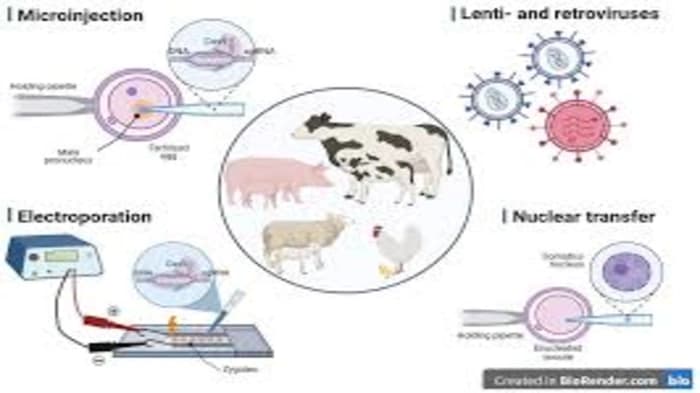
India’s agricultural research ecosystem has entered a new phase with the launch of a National Livestock Genome Mapping Programme, a landmark initiative aimed at decoding the genetic makeup of major indigenous breeds of cattle, buffalo, sheep, goats, and poultry. The programme seeks to create a comprehensive genetic database that can support disease resistance, improve productivity, and promote climate-resilient livestock systems—critical as India hosts the world’s largest livestock population and derives significant rural income from dairy and animal husbandry.
A central objective of genome mapping is to improve genetic resilience. Climate change has increased the incidence of heat stress, vector-borne diseases, and fodder scarcity. By identifying genes linked to heat tolerance, immunity, fertility, and milk yield, scientists can guide selective breeding programmes that retain indigenous strengths while enhancing productivity. Breeds such as Gir, Sahiwal, Murrah, Jamunapari, and Karakuram sheep are being prioritised for sequencing and genomic profiling.

The programme also integrates the principles of climate-smart agriculture, focusing on sustainable feeding practices, reduced methane emissions, and resilient fodder systems. Genomic insights will help develop livestock varieties that require lower water and feed inputs, reducing pressure on shrinking natural resources. Enhanced disease resistance would also cut antibiotic use, aligning with India’s action plan against antimicrobial resistance (AMR).
Economically, the initiative aims to boost rural incomes. Better breeding strategies, improved dairy yields, stronger calves, and lower mortality rates translate into higher profitability for small farmers. Genome-enabled traceability will also help India meet global standards for meat and dairy exports, opening high-value markets in the Middle East, Europe, and Southeast Asia. Digital livestock IDs and genomic registries could further streamline insurance, veterinary services, and credit delivery.
However, challenges remain—data governance, ethical breeding standards, farmer awareness, and ensuring that smallholders benefit equitably from genomic advances





%20Preeti%20Lobana%2C%20Sh.%20Jayant%20Chaudhary%2C%20Chris%20Phillips.jpeg&w=256&q=75)