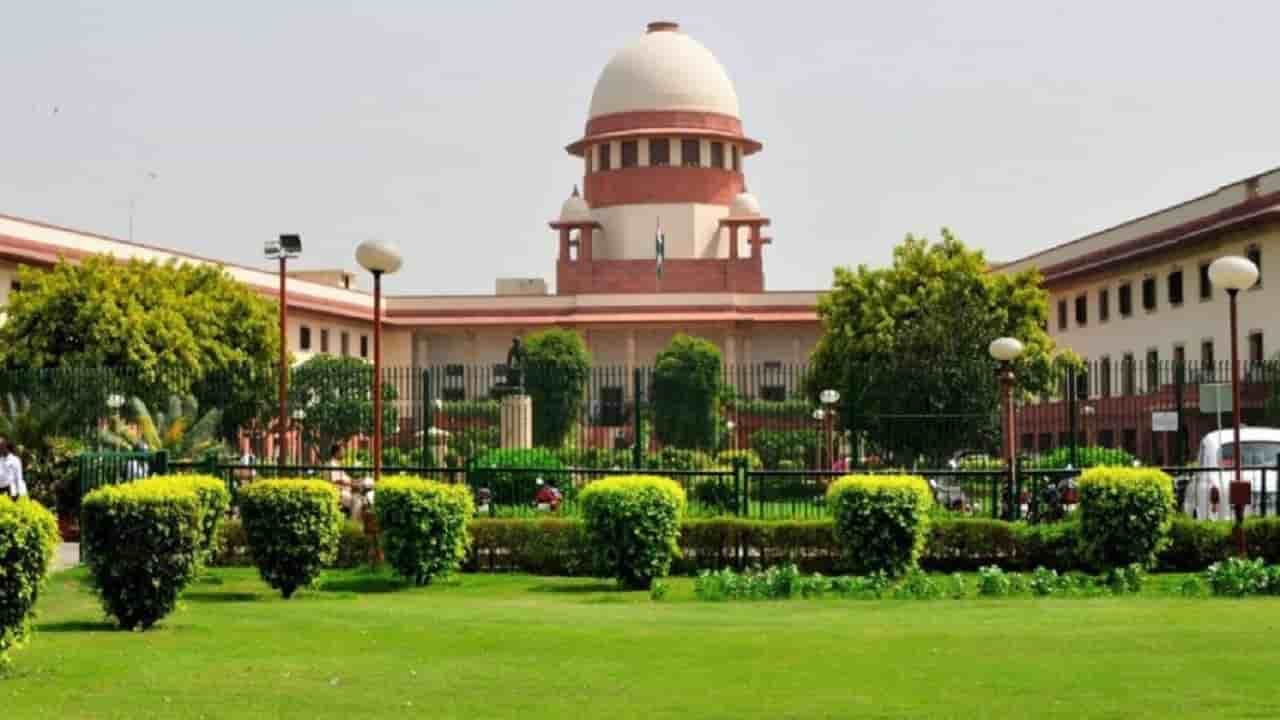
The Supreme Court on Feb 26 barred further production and circulation of an NCERT Class 8 Social Science textbook after taking serious exception to a chapter that referred to corruption in the judiciary.
The court also cautioned that contempt proceedings could follow if its directions were not strictly implemented, even as the center issued an apology and assured action against those responsible.

A three-judge bench led by Chief Justice of India Surya Kant ordered an immediate halt to the publication and digital distribution of the book titled “Exploring Society: India and Beyond,” Vol II.
The bench directed that all existing copies containing the contentious chapter be seized without delay.
"Any attempt to bypass the order, including through electronic distribution or altered titles, will be treated as a willful breach and defiance of the court’s directions," the bench said.
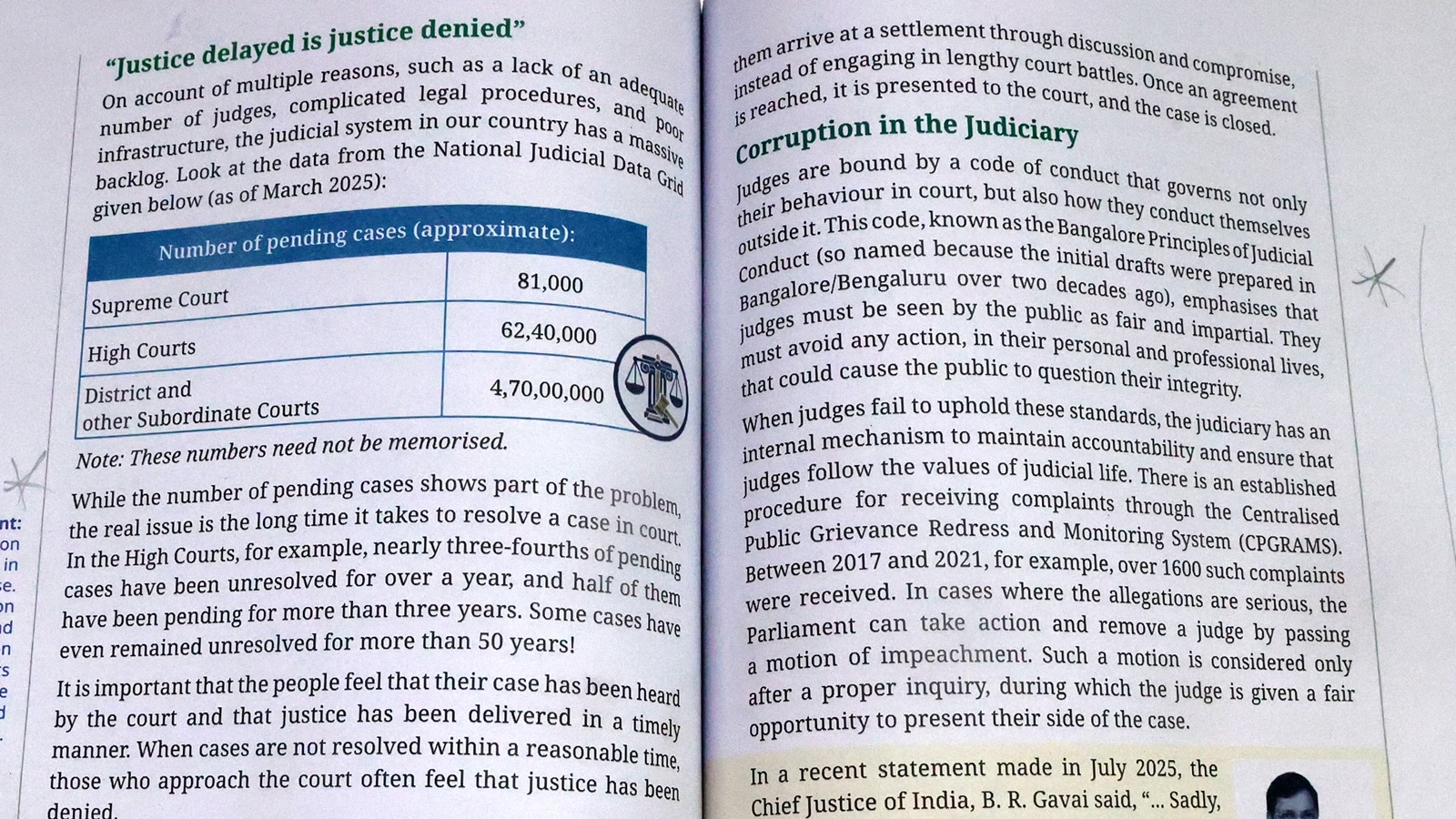
The controversy centers on Chapter 4, “The Role of Judiciary in our Society,” which discusses judicial corruption and case backlogs. During the hearing, the Chief Justice described the issue as grave and underscored the institutional implications of the content.
“As head of the judiciary, it is my duty to ensure accountability, heads must roll. I will not close these proceedings until there is some accountability. We want to know who the people behind this are,” he said.
He also raised concerns about the broader impact of such material on public perception. “If you teach the entire teaching community and the students that the judiciary is corrupt, what message will go? Teachers will learn it, parents will learn it.”
The court noted that despite claims of withdrawal, the textbook continued to circulate. “You say the publication is withdrawn, it’s there in the market, it’s there on social media. I also got a copy of the book,” the Chief Justice observed, adding that the “judiciary is bleeding today” amid the fallout.
The bench criticized what it described as a one-sided portrayal of the judiciary, pointing out the absence of references to its constitutional functions and contributions.
“We are deeply hurt that there is no mention of the judiciary’s positive work, protection of civil rights, access to justice, free legal aid and safeguarding fundamental rights. Students must get a balanced picture,” the Chief Justice said.
Senior advocate Kapil Sibal informed the court that the digital version had already gained traction online. “Circulation of the PDF is more than that of the hard copy,” he highlighted.
Justice Joymalya Bagchi added, “Some of these articles are in the digital domain. It’s for the government to issue takedown orders.”
Appearing for the Centre, Solicitor General Tushar Mehta told the bench that the government had acted promptly once the issue came to light.
“The two people involved with this chapter will never be involved with any activity of this ministry in the future, even any other ministry,” he said, emphasizing that the government was not adopting an adversarial position.
In a statement issued later, NCERT described the inclusion of the material as inadvertent.
"The error is purely unintentional, and NCERT regrets the inclusion of inappropriate material in the said chapter. NCERT reiterates that the objective of the new textbooks is to strengthen constitutional literacy, institutional respect, and informed understanding of democratic participation amongst students," the council said.
It added that it holds the judiciary in the highest esteem as guardian of the Constitution and protector of fundamental rights.
The Supreme Court’s order goes beyond withdrawal. It directed immediate removal of the textbook from schools, retail outlets, and online platforms nationwide.
The responsibility for ensuring seizure of distributed copies has been placed on NCERT Director Dinesh Prasad Saklani, who must file a compliance report before the court. Principal Secretaries of Education in all states have also been asked to submit reports within two weeks.
The bench further prohibited any teaching from either physical or digital versions of the withdrawn book. As an added safeguard, it imposed a blanket ban on future production and distribution, warning that violations would be treated as willful breaches of its order.
Additionally, the court has sought the names and credentials of members of the National Syllabi Board involved in drafting the chapter, along with the original minutes of meetings where the content was discussed and approved.
A show cause notice has been issued to the Secretary of the Department of School Education and the NCERT Director, asking why action under the Contempt of Courts Act or other applicable laws should not be initiated against them or those responsible for the chapter.
The disputed section had outlined structural challenges within the judicial system, including shortages of judges, procedural delays, and infrastructure gaps.
It cited figures of roughly 81,000 pending cases in the Supreme Court, over six million in High Courts, and more than 40 million in subordinate courts, linking these backlogs to concerns about public confidence.
With the court now mandating time-bound compliance and personal accountability, the episode has escalated from a curriculum dispute to a significant institutional confrontation involving the country’s top court and the national textbook body.