Invoking concerns over so-called “love jihad”, the Gujarat government recently proposed sweeping amendments to the Gujarat Registration of Marriages Act, 2006 — including a contentious provision to make parental consent compulsory for the registration of marriages.
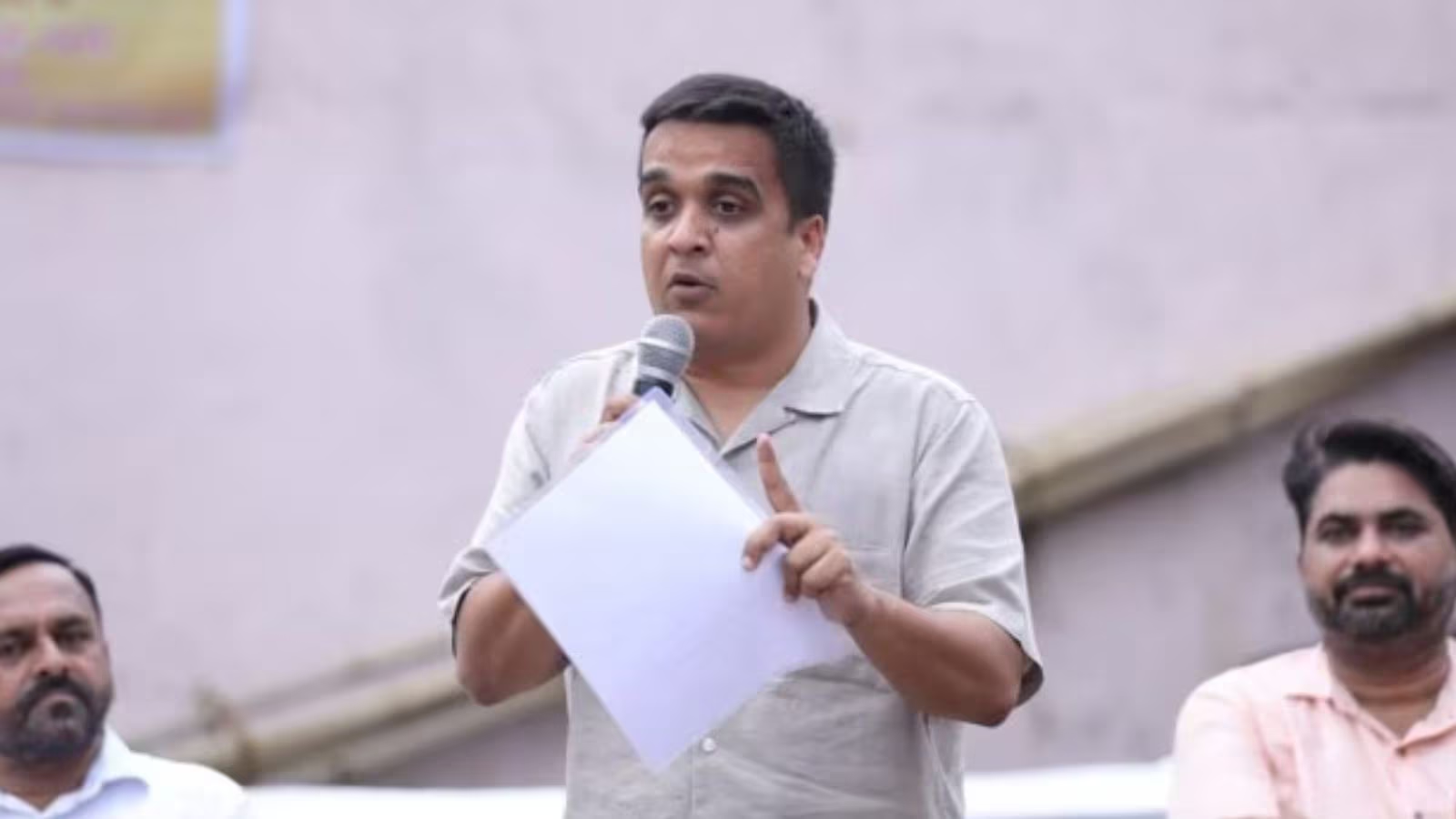
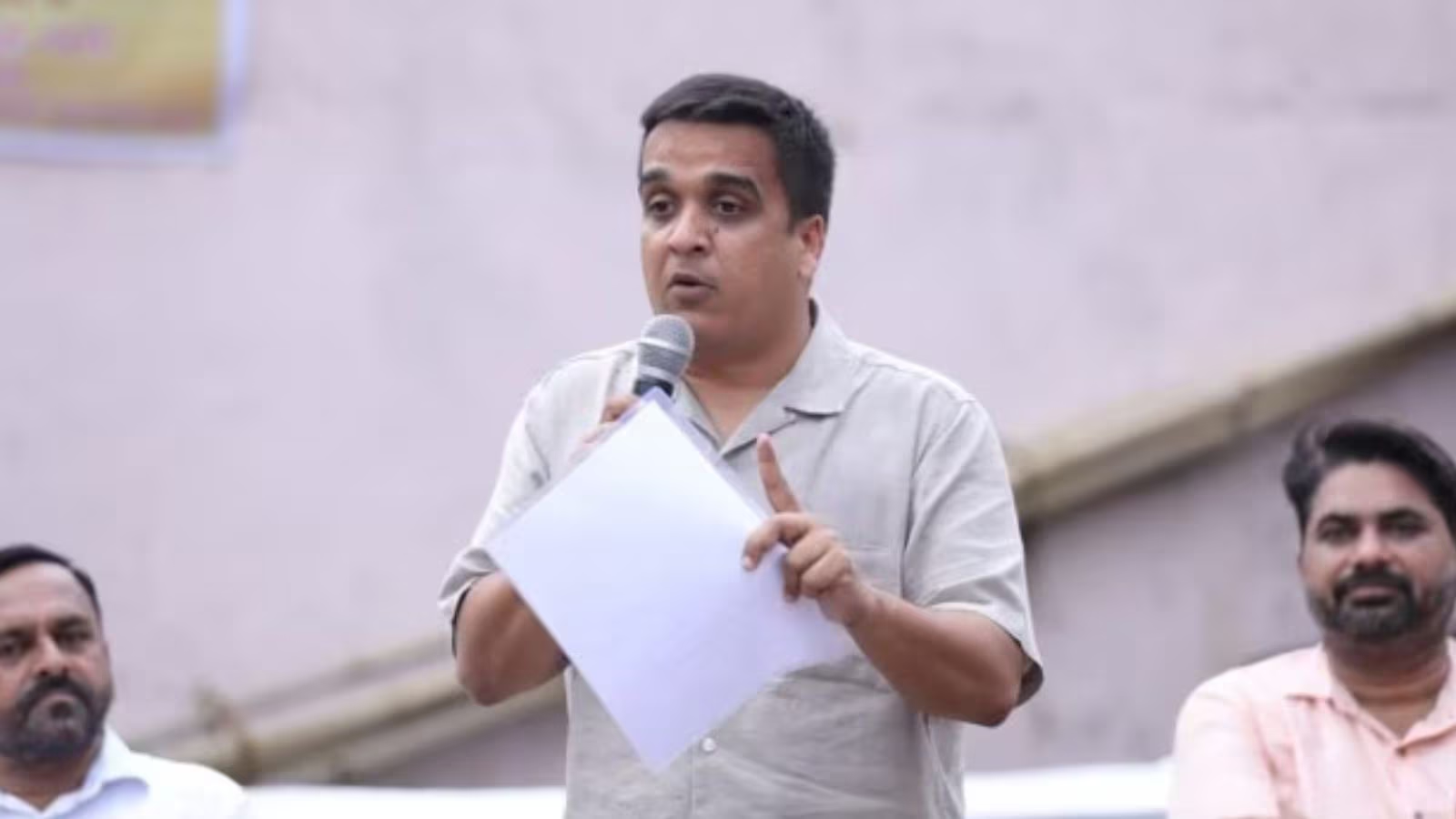
Tabling the proposal in the state Assembly under Rule 44, Deputy Chief Minister Harsh Sanghavi described the move as a response to what he termed a “game being played in the state under the name of love jihad”, asserting that “a strong armour needs to be created for young girls”.

Calling it a matter of “public importance”, Sanghavi said the government was “not against love marriages” but aimed to prevent cases involving alleged deception and coercion. “If someone deceives a daughter of the state by hiding his identity, this government will ensure such strict action that he will not dare to look at any daughter with ill-intent in the future,” he said, adding that the administration was committed to protecting “the dignity of girls and sanatan dharma”.
In a controversial remark on the Assembly floor, Sanghavi said, “If any Salim changes his identity and becomes Suresh to trap innocent girls, he will be taught a lesson for life.”
What the amendment proposes
Under the draft amendments, consent of parents would become mandatory in the marriage registration process. Parents of both the bride and groom would be formally informed — electronically, including via WhatsApp, or through physical communication — within ten working days after the Assistant Registrar verifies the application.
The proposed framework significantly tightens documentation requirements. Key provisions include:
- Marriage registration applications must carry the signatures of both parties and two witnesses, be notarised, and be accompanied by government-issued identity proofs such as Aadhaar, passport, or driving licence.
- Applicants must submit birth certificates or school leaving certificates, wedding invitation cards, passport-sized photographs, wedding photographs, witness photographs, and a declaration stating whether parents have been informed about the marriage.
- Similar identification documents of parents on both sides would also be required.
- Applications will be forwarded from the Assistant Registrar to the district or taluka Registrar, and registration will occur only after a minimum waiting period of 30 days, subject to satisfaction of all prescribed conditions.
- A dedicated online portal will be created to upload details and issue marriage certificates under a standardised format.
The government has opened a 30-day window for public suggestions and recommendations. A committee will review feedback before the proposed amendments are finalised.
Political and social backdrop
The move follows a memorandum submitted in December 2025 by former members of the Patidar Anamat Andolan Samiti (PAAS) to Chief Minister Bhupendra Patel, urging that parental consent be made compulsory for marriage registration.
Sanghavi said that over the past three months, Minister of State for Law and Justice Kaushik Vekariya had held nearly 30 consultations with various social organisations before the reforms were drafted, and that multiple suggestions were incorporated.
The proposal, however, is likely to trigger legal and constitutional debate, particularly over the question of adult autonomy and established judicial precedents affirming the right of consenting adults to marry without parental approval.
With the draft now in the public domain, the coming weeks are expected to see sharp scrutiny from civil rights groups, legal experts, and political opponents — as Gujarat weighs a significant shift in the balance between individual liberty and state oversight in personal relationships.