Mumbai’s bustling restaurant kitchens are beginning to feel the ripple effects of the escalating West Asia conflict, as a shortage of commercial LPG cylinders forces eateries across the city to rethink menus, cut cooking time and consider dropping slow-cooked dishes altogether.
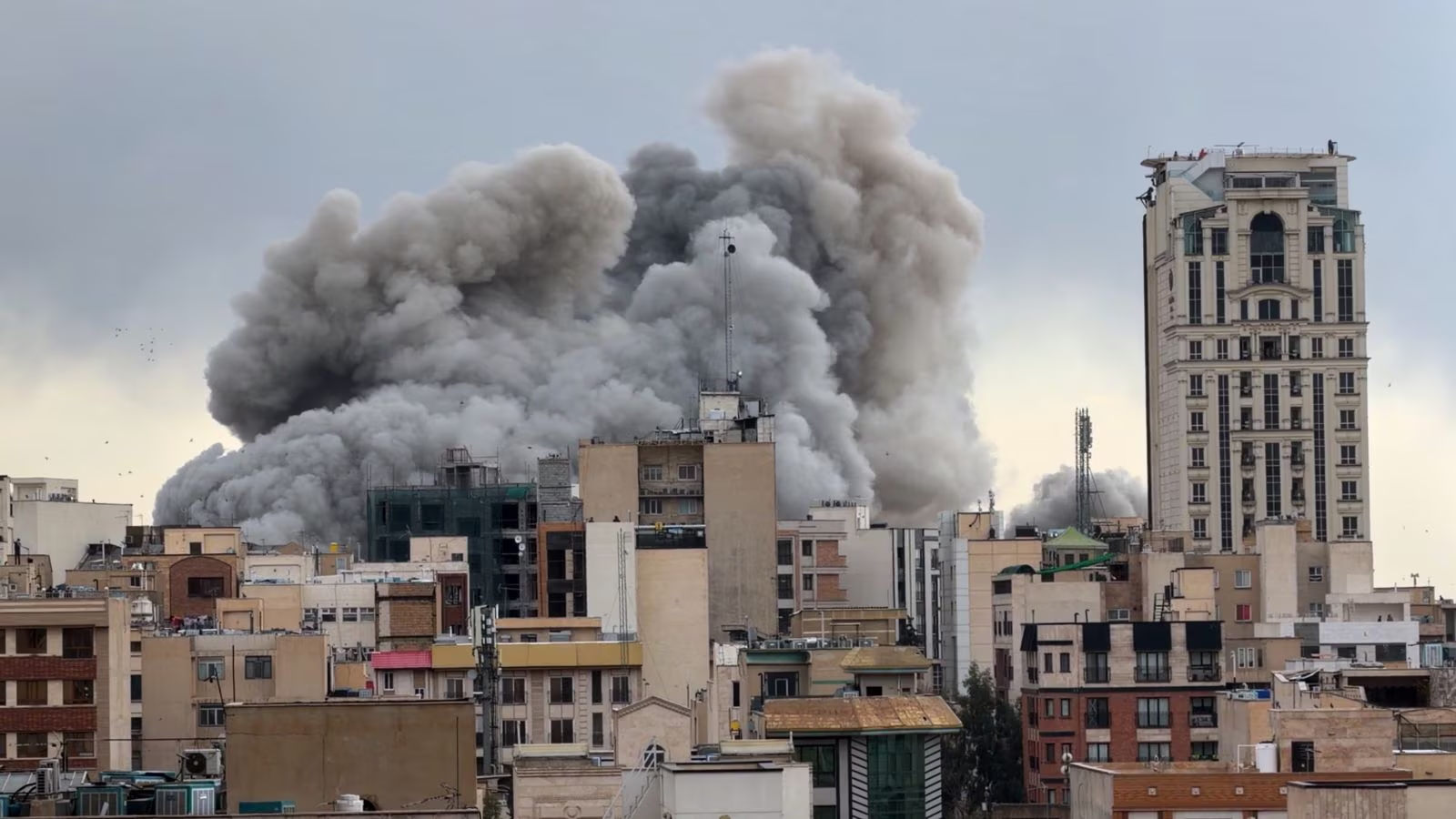
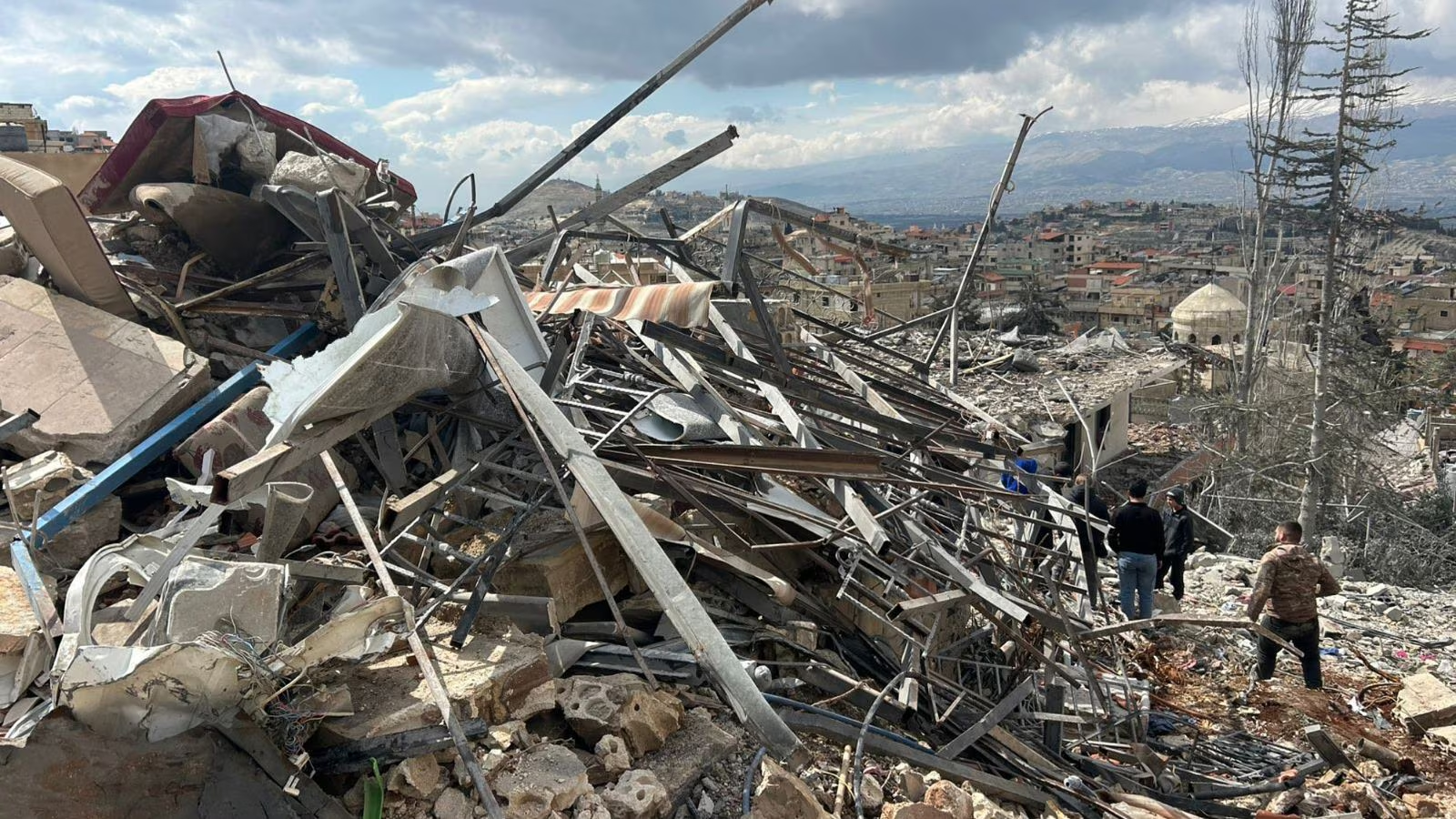
From Nariman Point to Dahisar and Mulund, restaurateurs say supplies of commercial cooking gas have tightened in recent days. Vendors have linked the disruption to the conflict involving Iran, which has disrupted shipping routes in the Gulf region — a critical supply corridor for India’s LPG imports.

India is the world’s second-largest importer of LPG, consuming about 33.15 million metric tonnes of cooking gas last year. More than 80% of India’s imported LPG travels through the Strait of Hormuz, a vital maritime chokepoint now under strain as tensions escalate in West Asia.
Iconic eateries forced to rethink menus
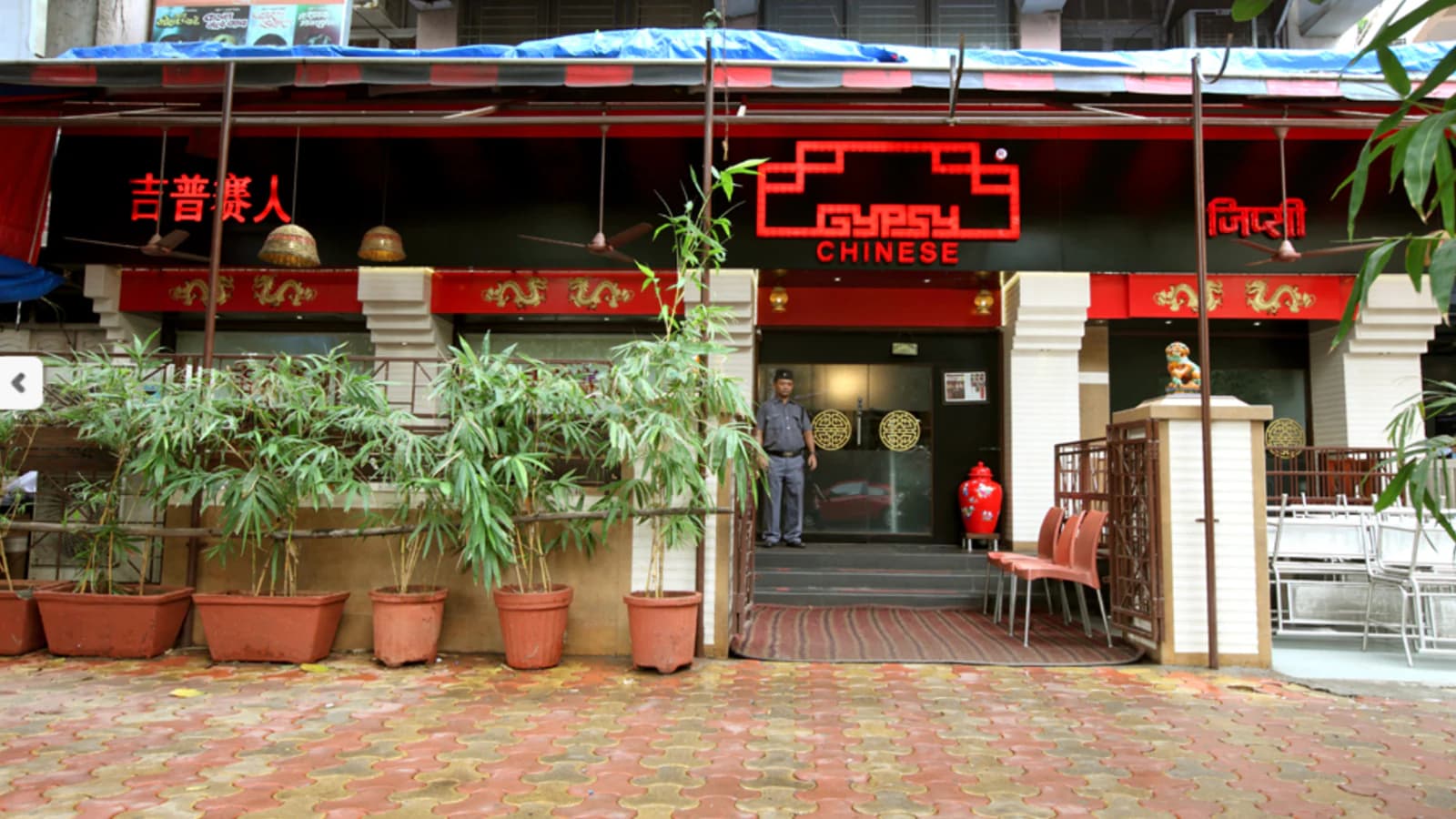
At the decades-old Dadar restaurant Gypsy, known for its Chinese fare and loyal following that has included political leaders and film personalities, the Limaye family is contemplating cutting back on dishes that require long cooking times.
“We may have to remove items that require prolonged use of gas — like roast chicken that needs to cook overnight or Peking duck,” said Aditi Limaye Kamat. “Even specialty dishes like Shingara sheera require nearly two hours of cooking. For 40 years we’ve made our schezwan sauce in-house, but if the shortage continues we may have to consider alternatives like bottled sauce.”
Despite a decades-long relationship with their gas supplier, the restaurant has yet to receive fresh cylinder deliveries, she added.
Stretching cylinders, shrinking operations
Elsewhere in the city, restaurateurs are scrambling to stretch existing cylinders while reorganizing kitchen operations.
At Chaitanya Assal Malwani! in Prabhadevi, owner Mitra Walke said the outlet typically uses three cylinders daily, sometimes four on busy days. But when he ordered four cylinders for Sunday — expecting a rush for International Women’s Day — his supplier said only two could be delivered.
In Matunga, the iconic Sharda Bhavan has already trimmed its offerings. Owner Ravi Rao said the restaurant has stopped serving rava dosa and uttapams because they consume more gas and take longer to cook.
“We currently operate from 7 am to 1 pm and again from 4 pm to 8 pm,” Rao said. “If we don’t get cylinders tomorrow, we may have to reduce our operating hours further.”
Bakeries caught in the squeeze
The shortage is also hitting bakeries — many of which recently shifted to LPG ovens following environmental regulations that restricted coal and wood-fired baking.
At Vienna Bakery, a 66-year-old establishment in Vakola, third-generation owner Tara Raj said the bakery moved to LPG ovens in December due to new guidelines.
“We normally require three cylinders every two days,” she said. “Our vendor said deliveries would arrive on Monday, but we are still waiting.”
For now, the bakery has shifted some production to electric ovens and has begun declining smaller bulk orders.
At the century-old Bandra bakery J Hearsch & Co., owner Melwyn Dsa said he also expects delays. The bakery needs at least three cylinders a day to run ovens, fryers and cooking equipment.
“It was the government that asked bakers to shift to gas,” he said, noting that suppliers had informed him they were instructed to cut commercial cylinder allocations.
Slow-cooked favourites at risk
Restaurants connected to piped natural gas (PNG) have not yet reported disruptions, but many older establishments — especially in traditional buildings — rely entirely on LPG cylinders.
That could mean slow-cooked staples like dal makhani may soon disappear from menus if shortages persist.
“Tandoor dishes could also be affected,” Limaye Kamat warned. “Restaurants were asked to move from coal-based tandoors to gas tandoors. If the shortage continues, even tandoori roti with butter chicken could be impacted.”
At Dadar’s Anand Bhavan, owner Preetesh Nayak said the restaurant has been struggling to secure fresh cylinders for two days.
“We’ve shifted some processes to electricity, like the idli steamer,” he said. “But if cylinders don’t arrive by Wednesday, we’ll have to reduce menu items or shorten working hours.”
Prices rise, industry sounds alarm
Industry leaders say the situation has worsened quickly since Friday.
“The shortage came to light only a few days ago, but it is becoming more challenging by the day,” said Vijay Shetty, president of the AHAR (Indian Hotel and Restaurant Association).
He added that the price of a 19-kg commercial cylinder has already risen by ₹120 — an increase of about 8%.
Shetty has written to Union Petroleum and Natural Gas Minister Hardeep Singh Puri, seeking urgent intervention.
The National Restaurant Association of India, which represents more than five lakh restaurants nationwide, has also warned that prolonged disruption could severely damage the hospitality sector.
In a letter to the minister, the association cautioned that any halt in commercial LPG supply could lead to “catastrophic closure of a majority of restaurants” and disrupt food services for millions.
Restaurants, Shetty added, employ around 40 lakh people directly and nearly one crore indirectly across India.
“If the shortage continues,” he said, “the city’s food ecosystem could come to a standstill.”