The Andhra Pradesh government has proposed sweeping regulatory changes for private coaching centers, placing student welfare and institutional accountability at the center of its draft Andhra Pradesh Coaching Institutions Regulation and Control Rules, 2026.
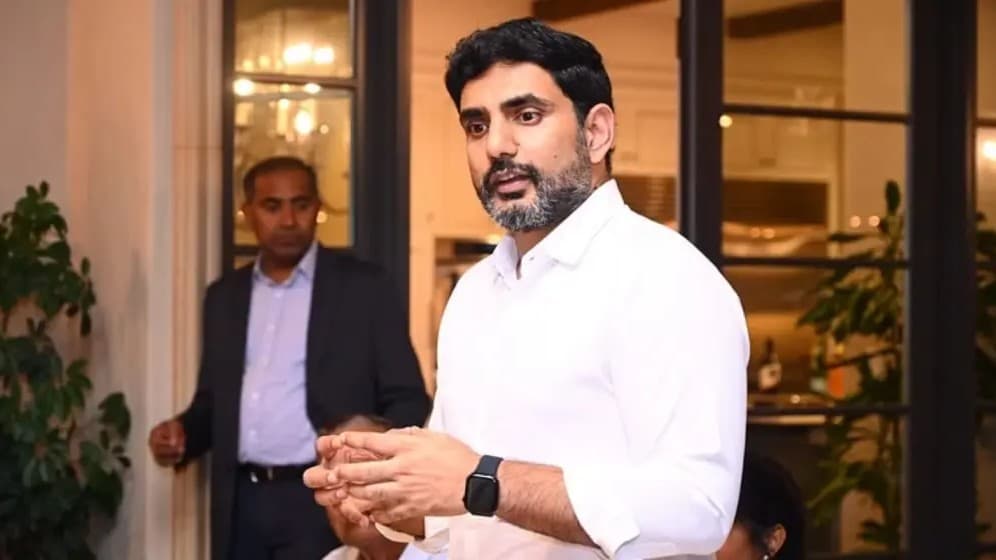
Releasing the draft framework, Human Resources Development Minister Nara Lokesh invited public suggestions and feedback, stating that the mental health, safety, and overall well-being of students remain the top priority.

The proposed rules aim to ease academic pressure, curb questionable practices, and introduce clear compliance standards backed by defined penalties.
In a significant step to address the growing “dummy school” culture, the draft prohibits coaching centers from conducting classes during regular school or junior college hours prescribed by recognized education authorities.
Students enrolled in formal schools or junior colleges will not be permitted to attend coaching sessions during those hours.
Coaching time will also be limited to a maximum of five hours per day. Institutions must observe a mandatory weekly day off on Sundays. The draft further advises spacing weekly tests to prevent excessive stress, particularly around holidays.
To discourage public shaming and unhealthy competition, coaching institutes will not be allowed to display students’ marks, ranks, or names on notice boards or websites. Assessment results must be shared privately with students and their parents.
The draft clearly states that institutions cannot discriminate against low-performing students and must instead offer additional academic support to help them improve.
A major component of the proposed framework focuses on mental health safeguards. Every coaching institution will be required to establish a Wellness Cell by signing a formal MoU with a local hospital or licensed psychologist and appoint trained faculty mentors.
The draft mandates mental health screening within 30 days of admission, peer mentorship programs, monthly stress-relief workshops involving parents, and prescribed psychometric assessments.
Institutions must maintain separate and strictly confidential psychological records accessible only to authorized mental health professionals and the head of the institution.
Teaching and non-teaching staff cannot access these records without written consent from the student and guardian.
The rules also require each coaching center to submit a Monthly Wellness Report and an Annual Mental Health Audit Report to the District Level Monitoring Committee through a designated online portal.
These reports must include anonymized data such as the number of counseling interventions conducted, referrals made to psychiatrists or hospitals, and commonly identified stress factors, including academic pressure or homesickness. Details of sensitization workshops conducted for staff and parents must also be disclosed.
To enhance transparency, the draft makes it compulsory for institutions to maintain a functional website with key disclosures. These include faculty qualifications, carpet area per student in classrooms and hostels, and a detailed fee structure along with refund policies.
Institutions must also publish their actual success rate for the past three years, clearly stating the total number of students enrolled and the number who secured selections, in an effort to prevent misleading claims.
The draft introduces strict financial norms requiring tuition and hostel fees to be clearly declared in the prospectus and on the website. If a student withdraws before completing the course, the remaining fee must be refunded on a pro rata basis within 10 days of receiving the request.
Any clause in the admission form stating that fees are non refundable will be treated as void. The rules also prohibit withholding original academic certificates to enforce fee payments.
Under the proposed system, the District Level Monitoring Committee or an authorized officer will have the authority to inspect coaching institutions at any time.
If shortcomings are identified in infrastructure; safety standards such as fire safety compliance or installation of spring-loaded fans; or mental health provisions, a formal notice will be issued, and institutions must rectify the deficiencies within a specified period.
Penalties have been clearly outlined, including a fine of up to ₹50,000 for a first violation, up to ₹1 lakh for a second violation, and cancellation of registration for repeated offenses.
In cases where institutional negligence, such as harassment or the absence of counselors, is established in connection with a student suicide, registration may be summarily canceled. Complaints must be resolved within 15 days after giving all parties a reasonable opportunity to be heard.