A newly issued Class 8 Social Science textbook by the National Council of Educational Research and Training introduces students to concerns surrounding judicial integrity and systemic constraints within India’s court system.
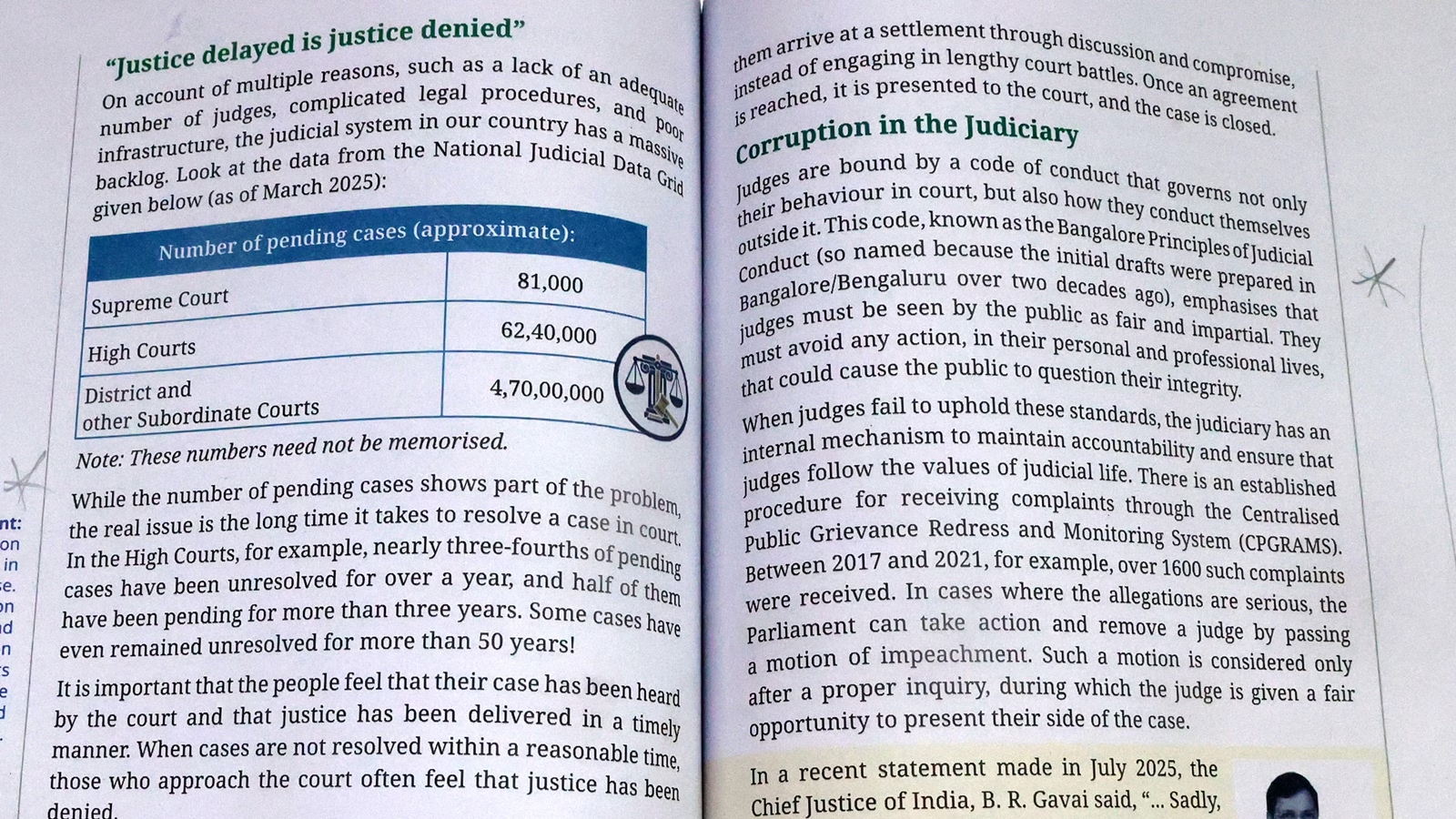
The chapter, titled “The Role of the Judiciary in Our Society,” discusses corruption within the judiciary and the structural hurdles that affect the delivery of justice. It describes “corruption at various levels” as a significant issue and points to mounting case backlogs across courts as a major obstacle.

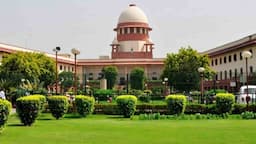
According to the textbook, the Supreme Court of India is handling around 81,000 pending cases. High courts collectively face approximately 6.24 million unresolved matters, while district and subordinate courts account for nearly 47 million cases awaiting adjudication.
The material attributes delays primarily to a shortage of judges. It also highlights procedural complexity and limited infrastructure as contributing factors.
The chapter explains that members of the judiciary are bound by a code of conduct that regulates both their professional and personal behavior. It further outlines internal mechanisms meant to ensure accountability within the system.
Students are informed that citizens can raise concerns through the Centralized Public Grievance Redress and Monitoring System, or CPGRAMS. The textbook notes that more than 1,600 complaints related to the judiciary were filed through this mechanism between 2017 and 2021.
Judicial delays and corruption are presented as structural challenges that form part of a broader understanding of how courts function and the difficulties involved in ensuring timely justice.
The book also references remarks made by former Chief Justice of India B R Gavai during a July 2025 hearing.
"However, the path to rebuilding this trust lies in the swift, decisive, and transparent action taken to address and resolve these issues. Transparency and accountability are democratic virtues," he said, underscoring concerns that corruption and misconduct undermine public confidence.
The release of the chapter comes at a time of continued institutional friction between the executive and the judiciary. Ongoing discussions have centered on judicial appointments, accountability standards, and the limits of judicial intervention.
Recent developments have included disagreements over the collegium system for appointing judges, delays in processing court-cleared appointments, and political criticism alleging judicial overreach. In response, the judiciary has reiterated its commitment to constitutional independence and the principle of separation of powers.