As the Middle East war entered its 13th day, Iran on March 12 laid down three conditions it said must be met to end hostilities with the United States and Israel, even as fighting continues to disrupt global energy markets and push crude prices higher.
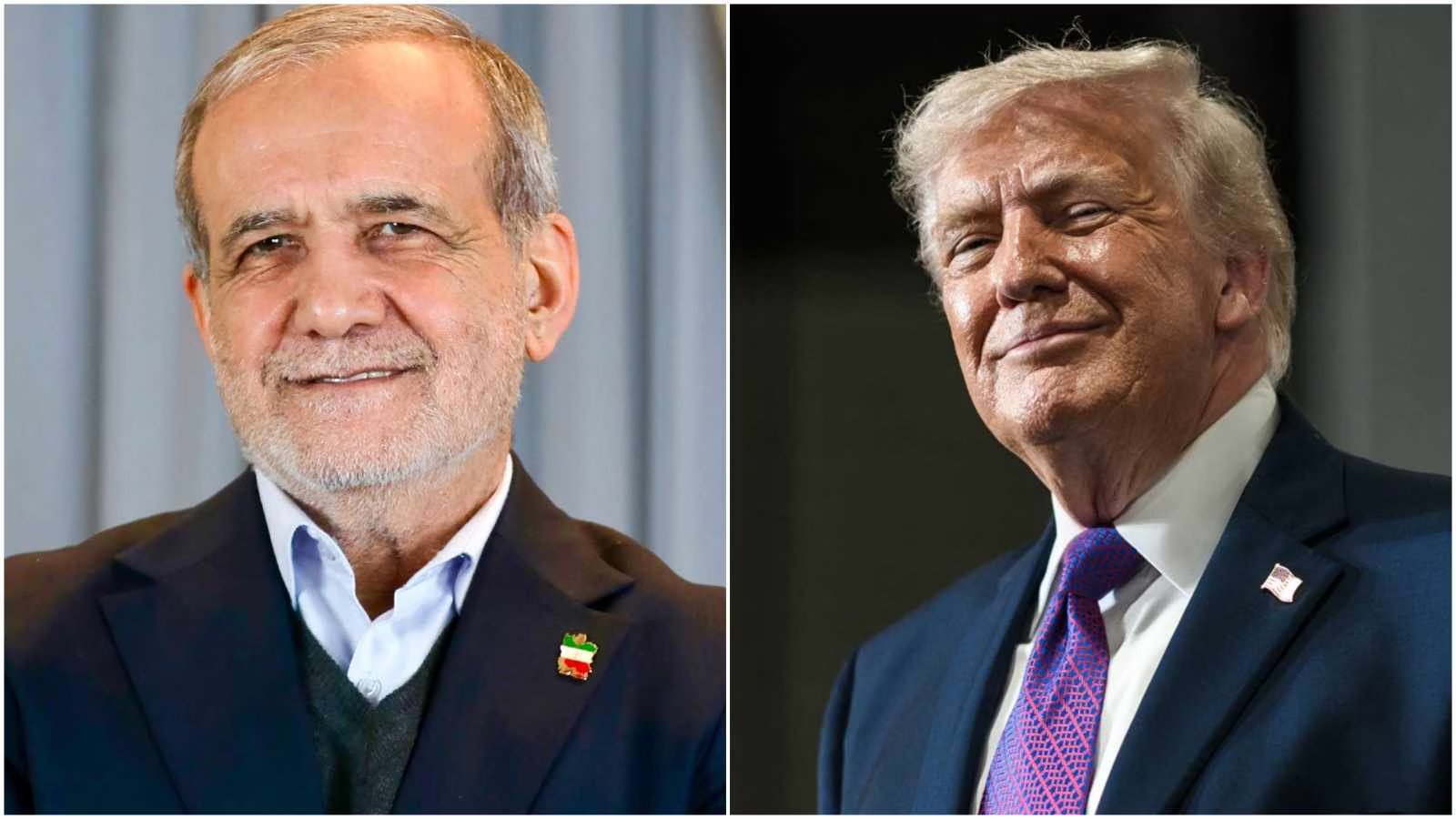
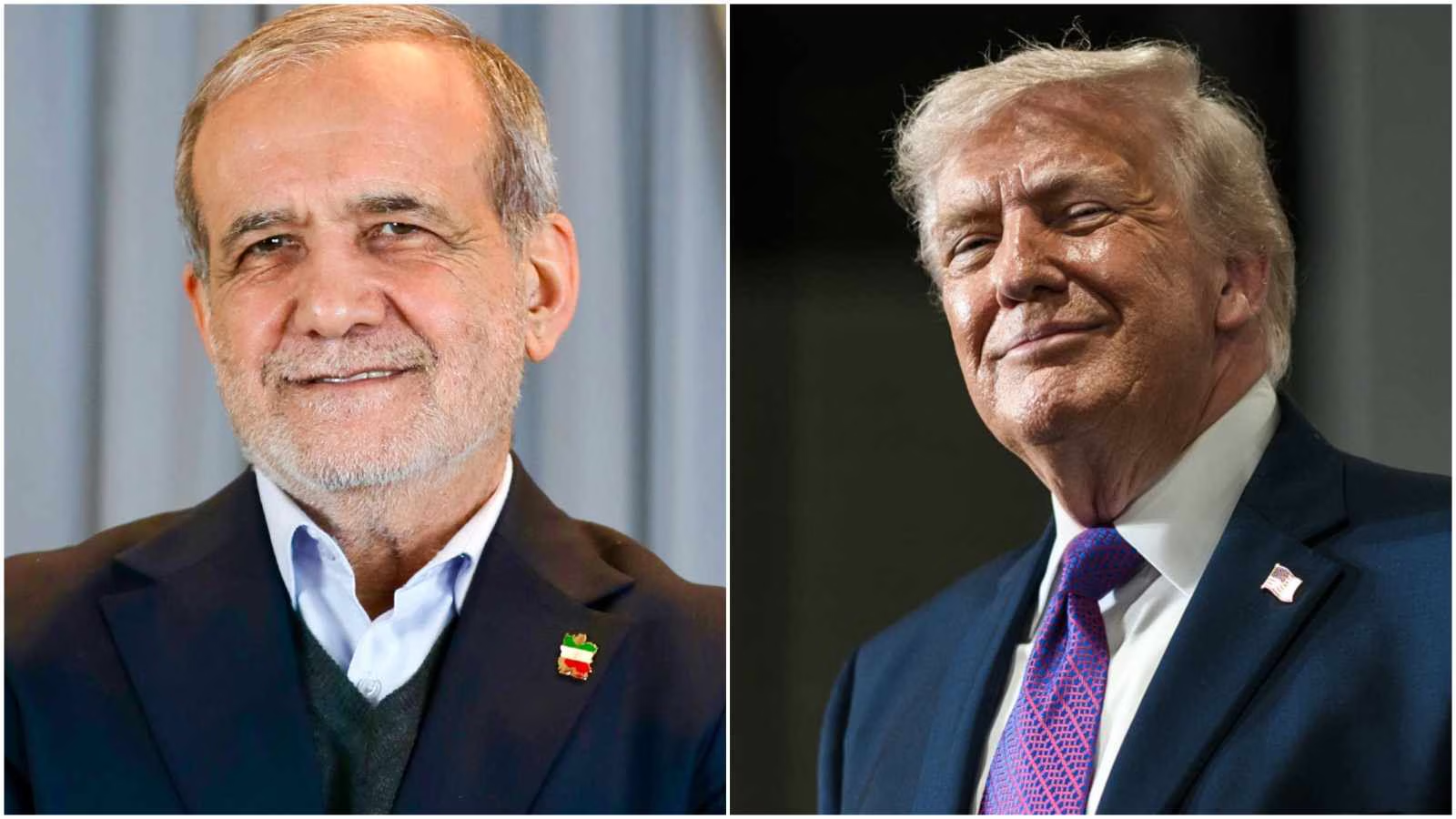
Taking to the social media platform X, Iranian President Masoud Pezeshkian said Tehran remained committed to peace and had reiterated that position in conversations with Russia and Pakistan.

However, he said any path to ending the war — which he accused the “Zionist regime and the US” of igniting — would depend on three key demands being met.
According to Pezeshkian, the conflict can end only if Iran’s “legitimate rights” are recognised, war reparations are paid, and firm international guarantees are provided to prevent future aggression.
The remarks came a day after US President Donald Trump claimed that Washington had already “won” the war in Iran, while adding that American forces would remain deployed until the mission was fully completed.
War intensifies with rising casualties
The conflict erupted on February 28 after the US and Israel carried out joint strikes on Iranian targets, triggering a cycle of fierce retaliatory attacks. Since then, the war has spiraled into one of the most volatile confrontations in the region in recent years.
Around 1,200 casualties have been reported so far amid ongoing missile strikes and military operations.
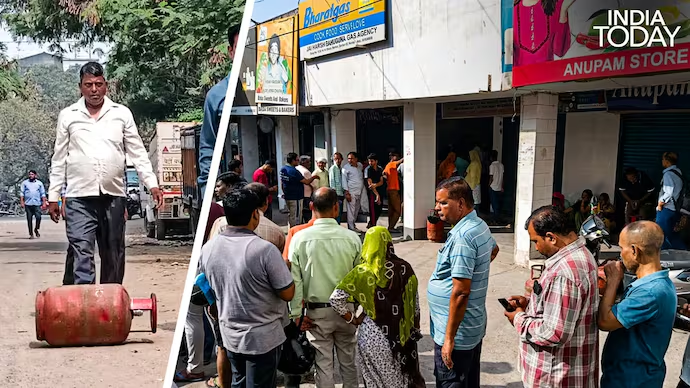
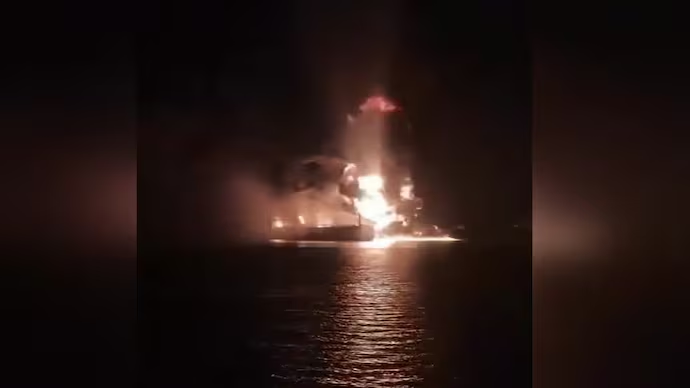
The fighting has also spilled into critical global energy routes. Attacks on oil tankers linked to Iran and the shutdown of the strategic Strait of Hormuz have rattled oil markets and disrupted supplies worldwide.
India turns to Russian crude amid supply shock
The disruption has forced major energy importers to look for alternative sources. India, the world’s third-largest oil importer, has sharply increased purchases of Russian crude in response to the supply shock.
According to ship-tracking data from commodity analytics firm Kpler, India’s imports of Russian oil have surged to about 1.5 million barrels per day (bpd) in the first 11 days of March.
Before the West Asia conflict began, India was expected to import between 800,000 and 1 million bpd from Russia, trade sources indicated.
With maritime traffic through the Strait of Hormuz severely disrupted, the jump in Russian supplies highlights how the conflict is already reshaping global energy flows — and intensifying pressure on oil markets.