The West Asia conflict has surged into its fifth day of intense, coordinated military operations, with deepening fault lines emerging not just across the battlefield but within Washington itself.
US Senator Marco Rubio has suggested that Israel’s aggressive posture forced America’s hand in the widening assault on Iran, even as US President Donald Trump publicly denied that Washington was pressured into action. Trump described the offensive as a “last chance” to secure regional stability.

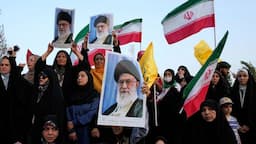
The escalation follows the confirmed killing of Iran’s Supreme Leader Ali Khamenei, a development that has dramatically altered the regional power equation and triggered what Israeli and US officials have termed “Operation Epic Fury.”
According to military briefings, more than 1,250 targets across Iran — including ballistic missile installations and naval infrastructure — have been struck in coordinated air and ground operations.
Tehran rocked, casualties mount
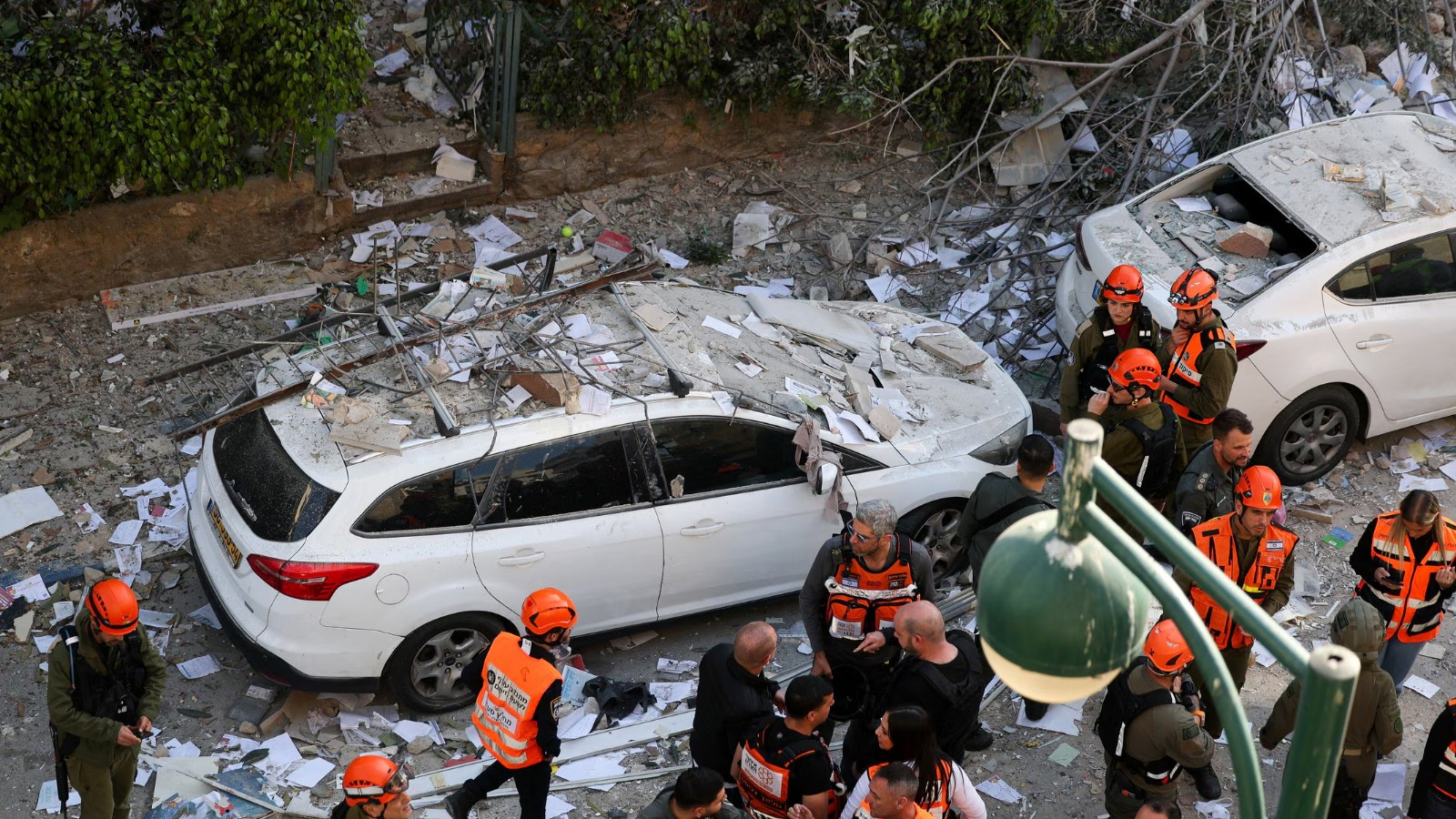
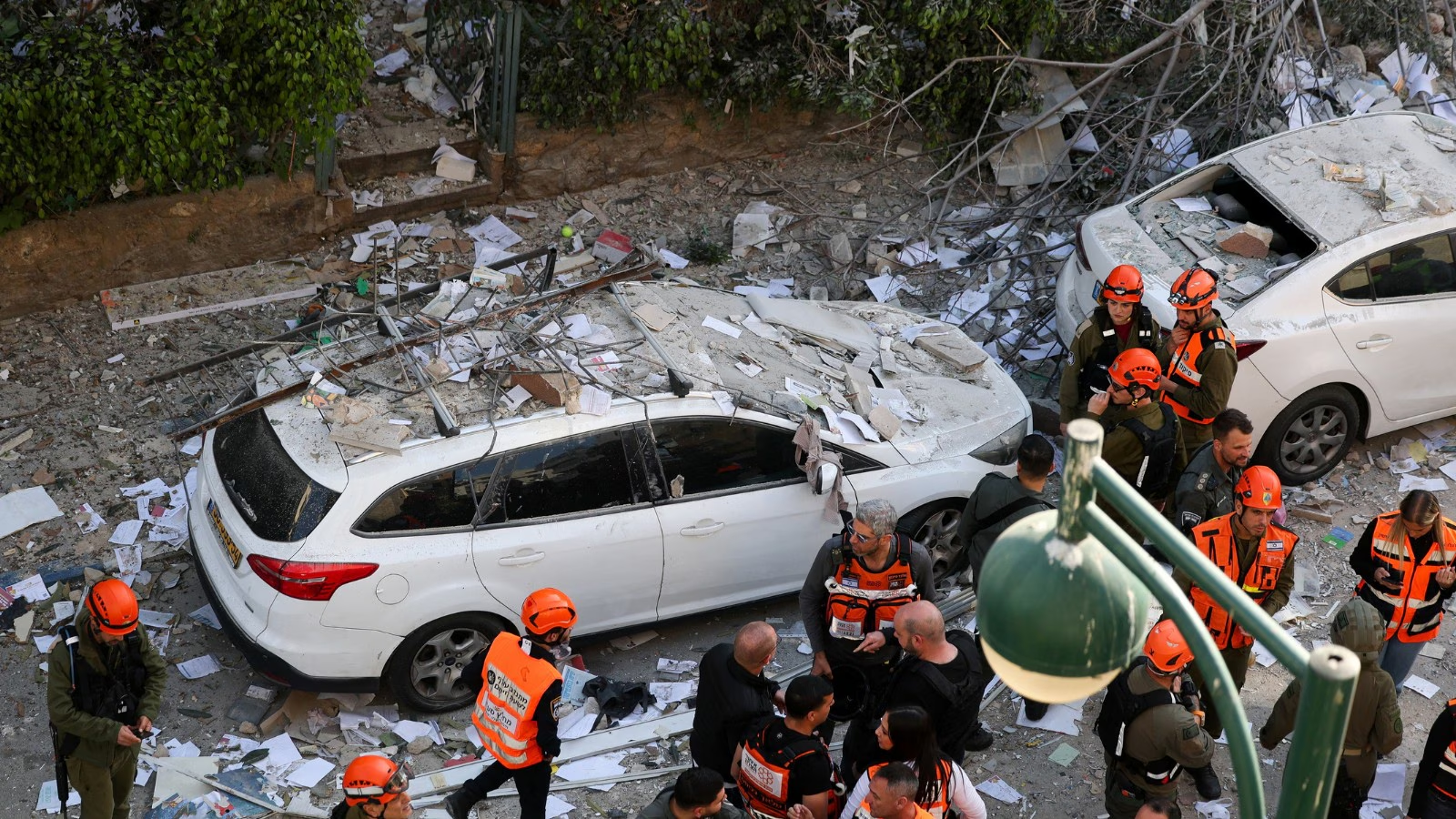
Heavy explosions have been reported across government districts in Tehran, while Iranian state media says Israeli strikes in Minab have resulted in at least 165 casualties. The intensity of bombardment marks one of the most sustained cross-border offensives in the region in recent decades.
From Ramallah, loud explosions were heard amid what appeared to be a wide missile salvo aimed at overwhelming Israeli air defenses. The Israeli Home Front Command issued nationwide alerts, urging civilians across central, northern, and southern regions to seek shelter.
Power vacuum in Tehran
With Khamenei’s death confirmed, President Masoud Pezeshkian has invoked Article 111 of Iran’s Constitution, activating a three-member provisional Leadership Council to govern during the transition.
Attention has swiftly turned to succession. Mojtaba Khamenei, the slain leader’s son, has emerged as the leading contender for the country’s highest office, according to reports citing Iranian officials familiar with internal deliberations. The powerful Assembly of Experts is said to be reviewing the final decision.
US casualties confirmed; Kurdish talks intensify
US Central Command has acknowledged American casualties during ongoing operations, underscoring the depth of Washington’s military engagement.
Meanwhile, Iranian Kurdish militias based along the Iran-Iraq border have reportedly consulted with US officials over the possibility of launching coordinated attacks against Iranian security forces in western Iran. The coalition, operating out of Iraqi Kurdistan, has been training for such contingencies, sources told Reuters, in what could open a volatile new front.
Regional shockwaves spread
The conflict’s spillover is rapidly widening.
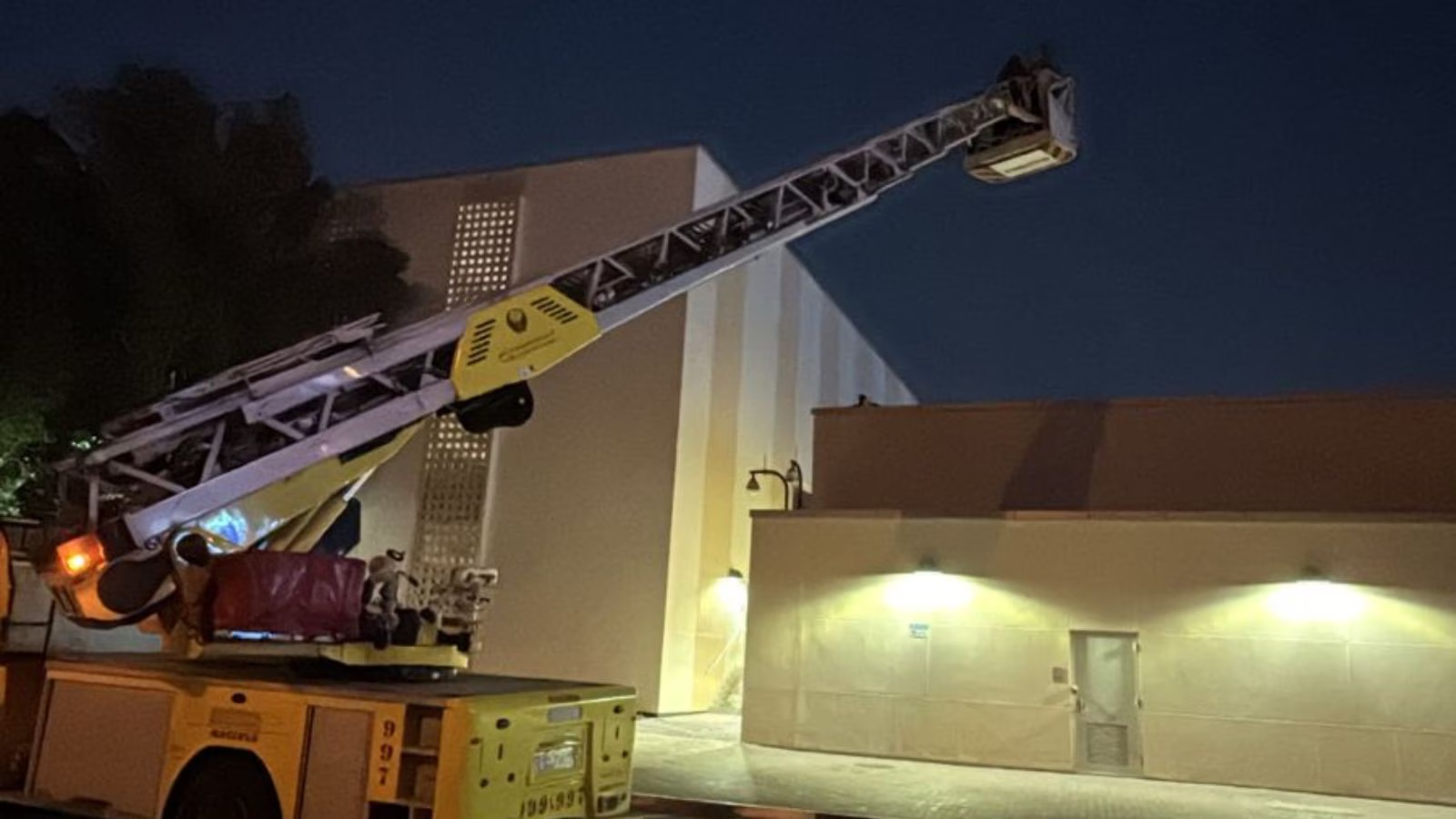
Saudi Arabia’s defense ministry confirmed intercepting two cruise missiles south of Riyadh, while nine drones were also neutralized, according to official reports. Launch origins were not disclosed.
France has deployed Rafale fighter jets to secure regional military bases. Qatar has halted LNG production amid security concerns, and Oman’s Duqm port has reported drone strikes targeting fuel infrastructure.
Hormuz at ‘extreme risk’
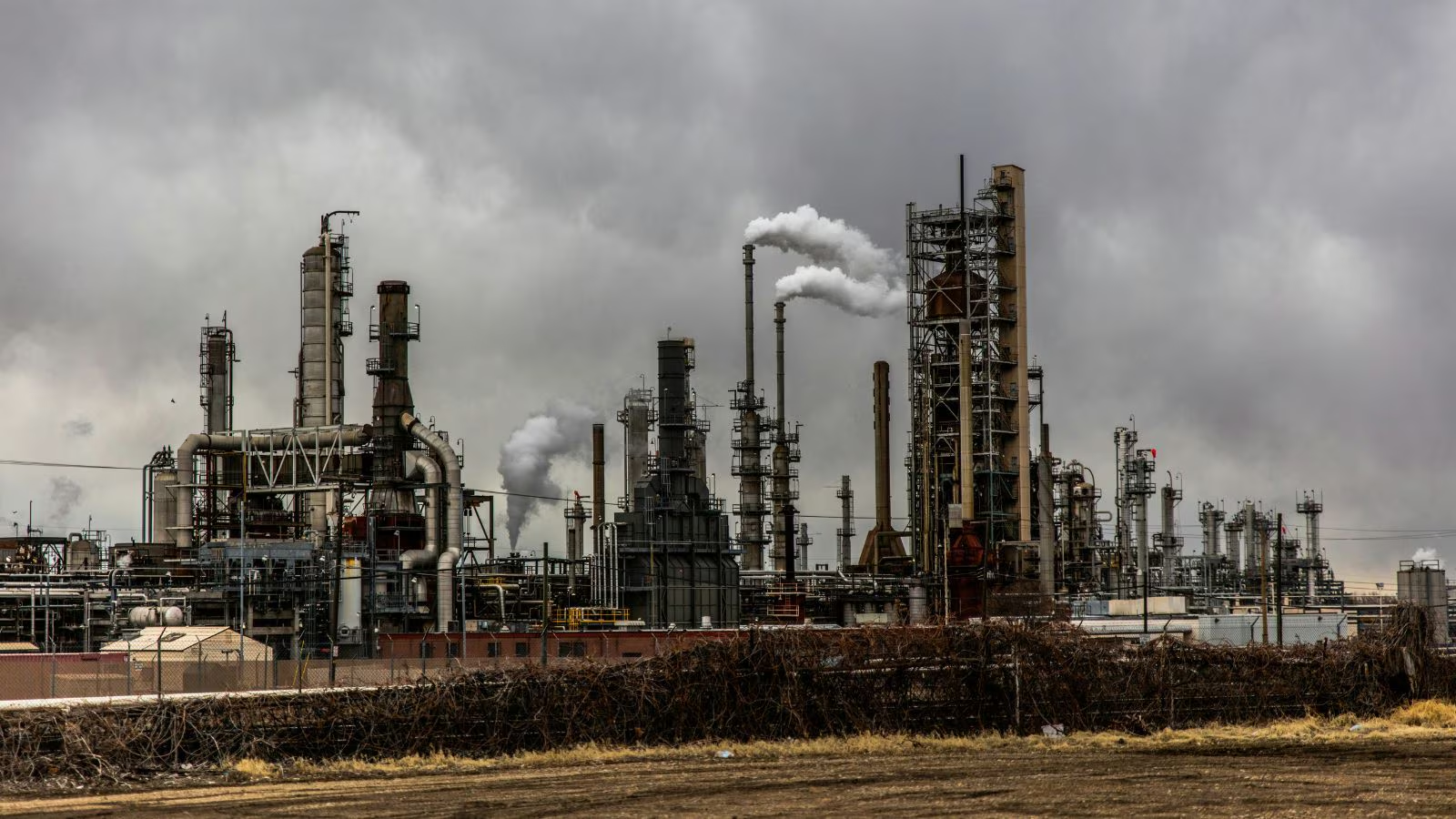
Iran has threatened a “scorched earth” retaliation in the Strait of Hormuz, warning it may target vessels transiting the strategic waterway. Energy analysts have flagged oil transit through the corridor as being at “extreme risk,” amplifying fears of a global supply shock.
Markets have responded sharply. Gold prices have surged past $5,200, while energy corridors across the Gulf face mounting uncertainty, sending tremors through global financial systems.
India activates emergency mechanism
Amid rising tensions, India’s Ministry of External Affairs has established a Special Control Room to monitor developments and address concerns related to citizens in West Asia and the Gulf region.
As combat operations intensify and diplomatic channels narrow, the situation on the ground in Tehran and across the Gulf remains fluid. Military briefings and satellite intelligence continue to shape the evolving picture — one that now threatens to redraw strategic alignments far beyond the Middle East.