In a sharp escalation of trade pressure, the United States has granted lower tariff access to over 50 countries — including Pakistan, Bangladesh, and several ASEAN nations — while continuing to levy a higher 25% tariff on Indian exports.
The move, coming just days before the new tariff regime takes effect on August 7, is seen as a strategic snub amid stalled trade negotiations between New Delhi and Washington.

The fresh tariff schedule, released August 1, offers more favorable terms to key Indian competitors such as Vietnam, Malaysia, Indonesia and the Philippines — all of whom will enjoy US import duties in the range of 19–20%.
Even Pakistan, with whom the US recently struck a bilateral trade understanding, has been offered a 19% tariff rate. Bangladesh, a direct rival to India in the readymade garments (RMG) sector, has also secured a 20% rate — despite not having a formal trade agreement with Washington.
Meanwhile, India remains locked at the 25% slab — one of the highest among large US trading partners.
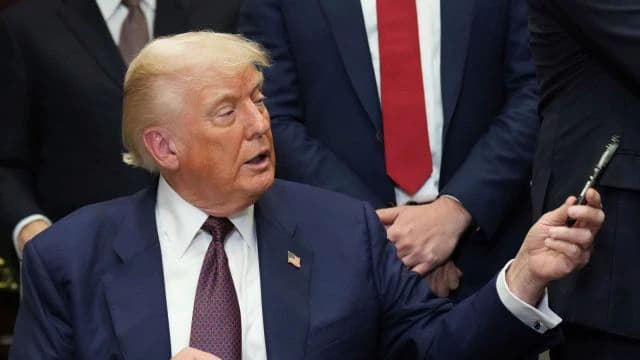
The timing is telling. After sealing advantageous trade deals with the European Union, Japan, and South Korea, President Donald Trump appears to be using tariffs as leverage to extract concessions from India. At the heart of the deadlock lie Washington’s demands for market access to India's tightly regulated agriculture and dairy sectors, including acceptance of genetically modified (GM) products such as soya and corn—terms India has so far resisted.
“The President is frustrated with the progress we’ve made with India,” said White House economic adviser Kevin Hassett earlier this week. “But he believes a 25% tariff will address and remedy the situation in a way that’s good for the American people.”
The new tariff regime could have sweeping consequences for India’s export competitiveness. Labour-intensive sectors such as textiles, footwear, and electronics — where India has been making significant gains — are expected to take a direct hit. Bangladesh and Vietnam, both strong players in garments and footwear, could now outprice Indian products in the US market due to the revised duty structure.
Particularly vulnerable is India’s burgeoning non-leather footwear and electronics manufacturing sector, which faces a pricing disadvantage compared to ASEAN countries now enjoying tariff relief.
The US Trade Representative (USTR) has also been vocal about India’s restrictive policies on GM crops, calling its biotech approvals “slow, opaque and politically influenced.” According to a recent USTR report, India’s Food Safety and Standards Authority has yet to finalize regulations on genetically engineered (GE) food products, creating another roadblock in trade negotiations.
On its part, India is seeking greater US market access for its own strengths — textiles, leather goods and traditional footwear. But without a reciprocal breakthrough in agriculture, the trade talks remain gridlocked.
While Pakistan and Bangladesh now enjoy smoother access to American markets, India's high tariff status could erode its global export edge — unless negotiators on both sides find a middle ground.