The ongoing war involving Iran, Israel, and the United States is increasingly spilling into the wider Gulf region, prompting multinational companies and governments to take precautionary measures as fears of further escalation grow.
In the latest development, global financial institutions including Standard Chartered and Citigroup have begun evacuating staff from their offices in Dubai, asking employees to work remotely amid security concerns. The move comes after Iran warned it may target economic and banking interests linked to the US and Israel across the Middle East.

According to sources familiar with the situation, several international banks operating in the Dubai International Financial Centre (DIFC) have reviewed emergency protocols as tensions rise. The warnings followed an attack on a building associated with Iran’s Bank Sepah, after which Iranian military officials said they would respond by targeting regional financial infrastructure connected to Washington and Tel Aviv.
The conflict, which began on Feb 28 after coordinated US-Israeli strikes on Iranian military and strategic facilities, has since widened into one of the most significant Middle East confrontations in decades. The strikes triggered Iranian missile and drone retaliation across the region, including attacks targeting US facilities and Gulf-area infrastructure.
Security concerns have also begun affecting aviation and commercial activity across the Gulf. Drone incidents near Dubai International Airport, one of the world’s busiest travel hubs, recently forced a temporary suspension of operations and led to widespread flight cancellations and rerouting across the region.
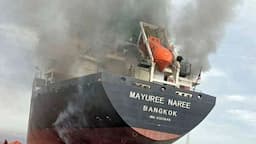
The conflict is also threatening global shipping lanes. Several vessels have reportedly been hit by projectiles near the Strait of Hormuz, a critical maritime route through which roughly one-fifth of the world’s oil supply passes. The attacks have raised fears of further disruptions to energy shipments and international trade.
Energy markets have already begun reacting to the instability. Oil prices have surged amid concerns that the war could disrupt supplies from major Gulf producers, prompting global discussions about releasing emergency reserves to stabilise markets.
At the same time, governments and companies across the region are tightening security. Some countries have closed embassies or reduced diplomatic staff, while airlines have cancelled flights to key Middle Eastern destinations amid the deteriorating security situation.
With missile threats, drone incidents and shipping attacks continuing across the region, fears are growing that the conflict could expand beyond Iran and Israel and trigger a broader regional crisis affecting trade, energy supplies and international markets.