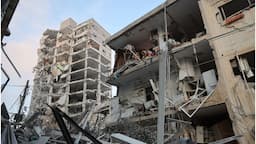
The war in West Asia lurched into a far more dangerous phase on March 3 after Iran claimed it had closed the Strait of Hormuz, Saudi Arabia reported a drone strike on the US Embassy in Riyadh, and energy markets convulsed amid widening attacks on critical infrastructure.
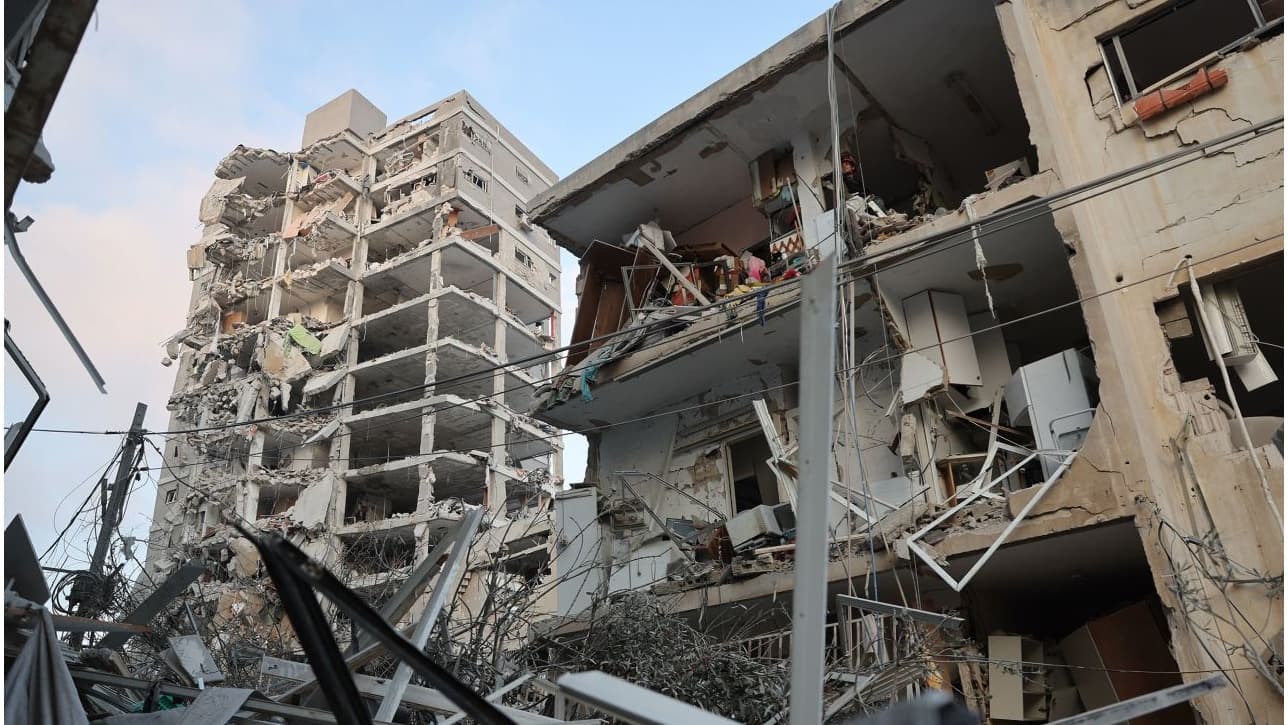
With Israeli forces intensifying bombardment of Tehran and Beirut — including a strike on Iran’s state broadcaster — the death toll in Iran and Lebanon has now crossed 600, according to regional officials. In Israel, at least 10 people have been killed since February 28 as Iranian missiles targeted cities including West Jerusalem, Tel Aviv and Eilat.

Embassy hit in Riyadh
Saudi authorities confirmed that two drones struck the US Embassy compound in Riyadh, causing a limited fire and minor structural damage. There were no immediate reports of casualties, but the attack marks a sharp escalation in the regional fallout of the US-Iran confrontation.
Tehran shuts world’s oil artery
Iran’s Islamic Revolutionary Guard Corps (IRGC) announced that the Strait of Hormuz — the narrow waterway through which roughly one-fifth of the world’s oil consumption passes — is now “closed”, warning that any vessel attempting to transit would be targeted.
If enforced, the move would choke a vital global energy corridor and risk triggering a severe supply shock. Markets reacted swiftly, with oil and gas prices surging amid fears of prolonged disruption.
The fallout is already tangible. Qatar’s state-owned energy giant suspended all liquefied natural gas (LNG) production after two of its facilities were struck in Iranian attacks on Gulf energy infrastructure.
Trump: Campaign could last four weeks
US President Donald Trump said the military campaign against Iran could continue for about four weeks, pledging that Washington would do “whatever it takes” to dismantle Tehran’s missile arsenal and nuclear capabilities.
The administration has offered multiple justifications for the strikes.
Secretary of State Marco Rubio and Defense Secretary Pete Hegseth have argued that the operation aims to neutralize Iran’s ability to back armed groups such as Hezbollah and Hamas, counter what Washington describes as Tehran’s advancing nuclear ambitions, and respond to what Republicans call an “imminent threat”.
Democrats, however, have sharply criticized the move, arguing that the military operation lacks congressional authorization and violates constitutional requirements for war powers.
Europe warns of inflation shock
The economic aftershocks could extend far beyond the Gulf.
European Central Bank chief economist Philip Lane warned that a sustained drop in Middle Eastern oil and gas supplies could trigger a sharp spike in inflation and a steep contraction in eurozone output.
The scale of the shock, he said, would depend on the “breadth and duration of the conflict”. An earlier ECB analysis projected a “substantial spike in energy-driven inflation” alongside a severe output decline if regional energy flows were persistently disrupted.
UN alarm over civilian toll
The United Nations issued a stark warning over mounting civilian casualties and damage to critical infrastructure.
Top UN officials expressed being “deeply alarmed” by attacks on civilians, including schools and hospitals, and called for an immediate cessation of hostilities.
Iranian authorities reported that a strike on a primary school in Minab killed at least 165 people, while nine hospitals across the country have been seriously damaged — claims that, if verified, would mark one of the deadliest single incidents of the conflict.
As missiles arc across skies from Tehran to Tel Aviv and the world’s most strategic waterway teeters on shutdown, the conflict is no longer a contained confrontation. It is rapidly evolving into a crisis with global economic and geopolitical consequences — one that could redraw the balance of power in West Asia and send shockwaves through markets worldwide.