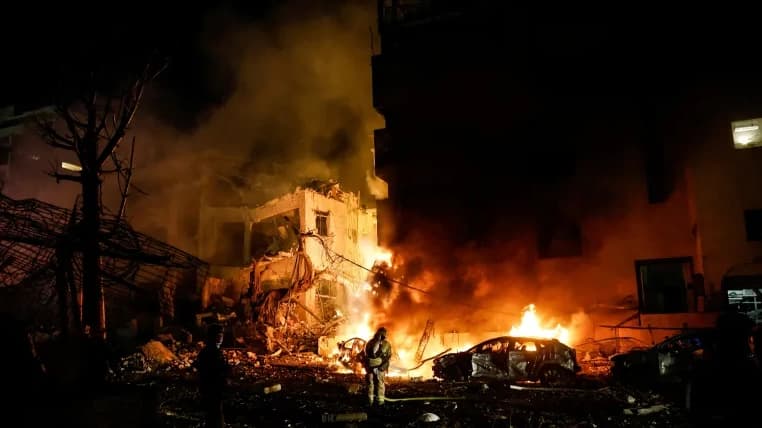
As Israeli warplanes continue pounding targets across Iran in a coordinated campaign with the United States, Israel’s broader objective is coming into sharper focus: regime change in Tehran — with little clarity on what comes next.
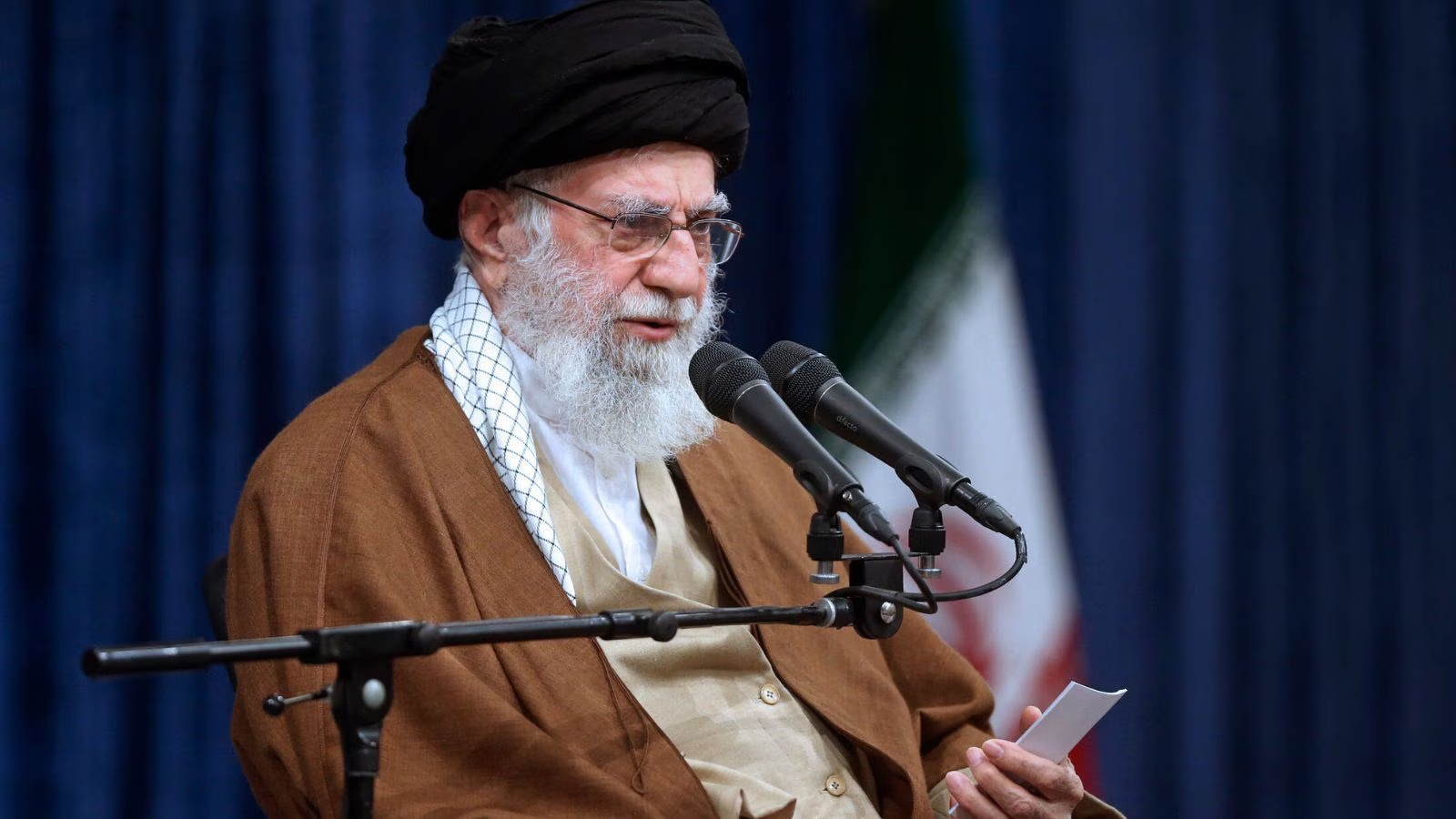
In a dramatic address following reports of the killing of Iran’s Supreme Leader, Ayatollah Ali Khamenei, Israeli Prime Minister Benjamin Netanyahu appealed directly to the Iranian public.

Speaking in Farsi, Netanyahu urged citizens to “come to the streets, come out in your millions… to overthrow the regime of fear that has made your lives bitter,” framing the ongoing air campaign as long-awaited external support for internal revolt.
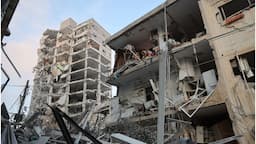
“The help you wished for – that help has now arrived,” he declared, as US-Israeli strikes reportedly left more than 555 people dead across Iran, including 180 at a girls’ school in the country’s south.
A longstanding objective
For many observers, the escalation is not an improvised reaction but the culmination of years of Israeli policy aimed at weakening — and ultimately toppling — the Islamic Republic from within.
Ahron Bregman, a senior teaching fellow at the Department for War Studies at King’s College London, said support for the war runs deep inside Israel, including among liberal constituencies.
“They believe that if you only topple the Iranian regime, the Middle East will totally transform for the better,” Bregman said from Tel Aviv, where he has been sheltering during missile attacks. “Which is, of course, nonsense.”
Yet even as Israel signals its desire for regime change, questions linger over whether its leadership is invested in ensuring a stable transition.
Collapse over transition?
Former Israeli government adviser Daniel Levy suggested Israel’s objectives may be more disruptive than restorative.
“My sense is that Israel has no real interest in smooth regime change,” Levy said. “Israel’s more interested in regime and state collapse. They want Iran to implode.”
According to Levy, some in Israel’s leadership may view wider regional destabilisation — even spillover into Iraq or Gulf states — as strategically advantageous if it eliminates a powerful counterweight to Israeli military freedom.
Such calculations, however, carry enormous risks.
The war’s sustainability may not ultimately rest in Israeli hands. Much of Israel’s military capability is underwritten by Washington, and public opinion in the United States appears far more divided over direct confrontation with Iran.
Diplomatic protection from Washington has also been critical for Israel at a time when mounting international criticism — particularly over Gaza — has left it increasingly isolated in some quarters.
How long Gulf states will tolerate retaliatory Iranian strikes on their territory, and whether mounting regional pressure could sway US President Donald Trump, remains uncertain.
“Trump has his own priorities and his own endgame,” said Israeli political analyst Mitchell Barak. “It could be that he pulls out and leaves Israel holding the bag.”
Public backing at home
Inside Israel, however, public support for the war appears strong despite Iranian missile strikes on Israeli cities.
Decades of political messaging portraying Iran as an existential threat — from warnings about nuclear ambitions to claims of imminent destruction — have shaped a national narrative in which this confrontation is seen by many as inevitable.
Opposition figures across the political spectrum have rallied behind the campaign. Yair Golan, leader of the centre-left Democrats, gave the military his “full backing” in removing what he termed the Iranian threat.
Centrists such as Yair Lapid and right-wing figures including Naftali Bennett have also aligned with Netanyahu in the confrontation.
“People here know Iran is a threat. They know it because Iran keeps telling us,” Barak said from a shelter in West Jerusalem. “Everyone is happy that the war is under way — and this time, it will be finished.”
For now, Israelis are bracing for further escalation, unified in a rare moment of cross-party consensus. But whether regime change in Tehran would usher in transformation — or unleash deeper regional turmoil — remains an unanswered question with global consequences.